Login to enhance your online experience. Login or Create an Account

 0 Items (Empty)


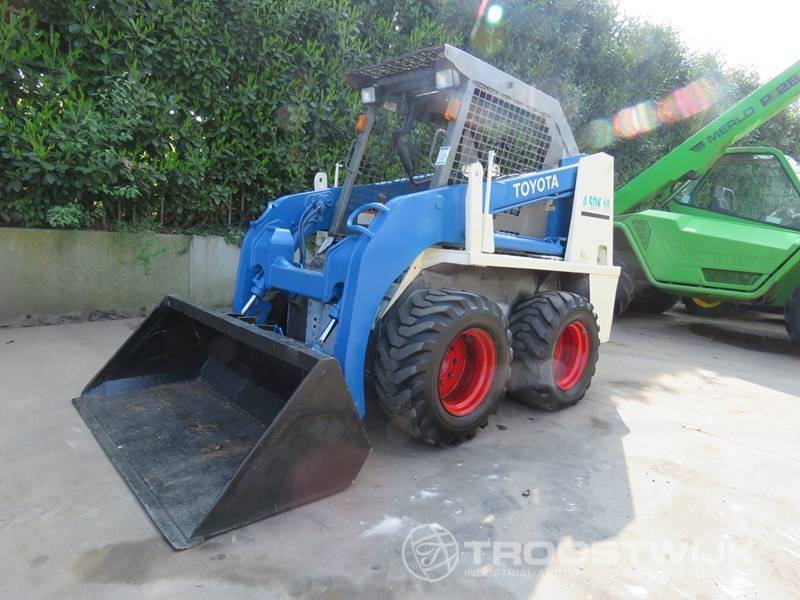
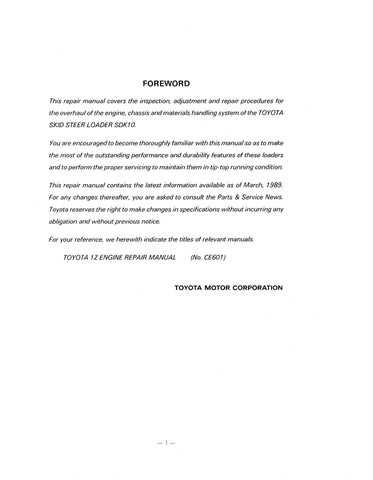
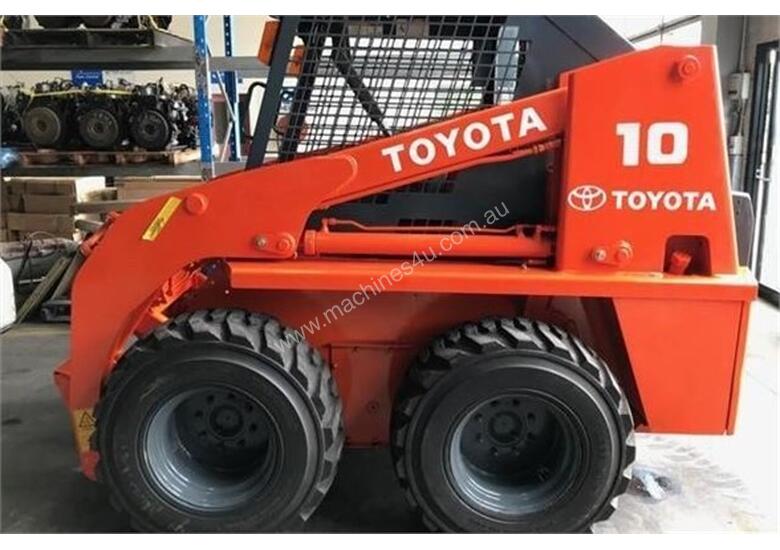
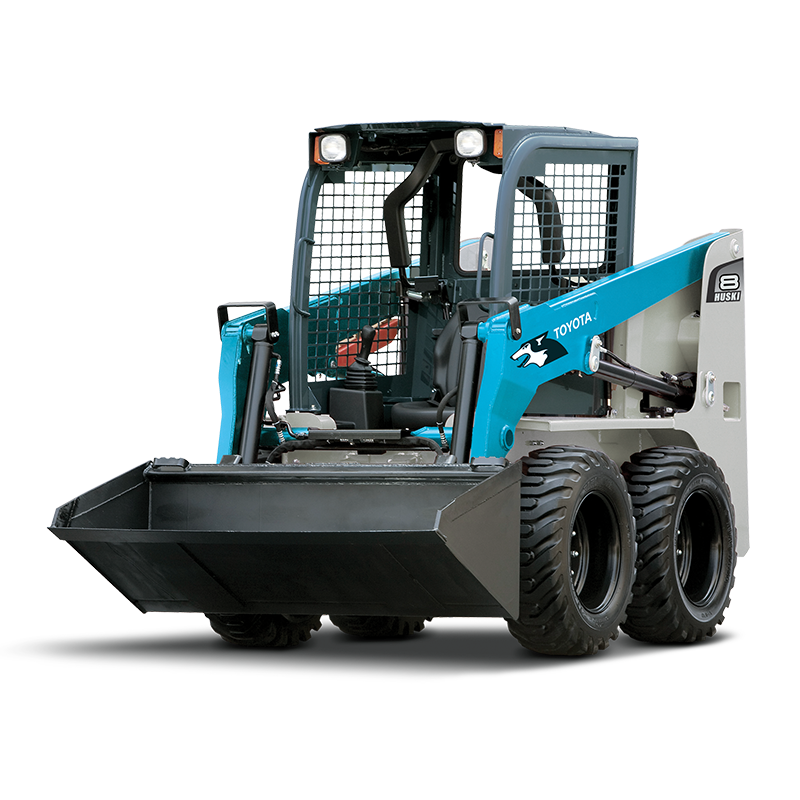
Toyota Skid Steer Loader SDK10 Factory Workshop Manual download digital
 |
Toyota Skid Steer Loader SDK10 factory workshop and repair manualon PDF can be viewed using free PDF reader like adobe , or foxit or nitro . File size is 12 Mb 236 pages searchable PDF. General ToyotaSkid Steer Loader SDK10 factory workshop and repair manual |
Below is a focused, practical, beginner-friendly workshop procedure to replace the cylinder head gasket on a Toyota Skid Steer Loader SDK10, including theory, descriptions of every component you will touch, required tools/consumables, a step-by-step teardown and rebuild, checks, and common failure modes. This is written so you can follow it in a home or small shop — but do get and follow the official service manual for exact torque values, bolt sequences, and any model-specific steps.
Theory — why a head gasket fails and what it does
- Purpose: The head gasket seals three separate systems where the engine block meets the cylinder head:
- Combustion chambers (keeps compression and combustion gases inside cylinders)
- Coolant passages (keeps coolant in its circuit)
- Oil passages (keeps oil in its circuit)
- Analogy: Think of the head gasket as a multi-compartment waterproof envelope sandwiched between a bowl (block) and a lid (head). If the envelope tears, water, oil and air can cross between compartments and ruin operation.
- Failure signs:
- White exhaust smoke (burning coolant)
- Overheating and loss of coolant without visible external leak
- Milky, frothy oil (coolant in oil)
- Bubbles in radiator or overflow tank while running (combustion gases in cooling system)
- Low compression, misfires on one or more cylinders
- Why it happens:
- Overheating warps the head or block and breaks the seal
- Old gasket degradation (heat cycles, chemical breakdown)
- Mechanical damage (blown by pre-ignition, detonation, or over-torqued/under-torqued bolts)
- Cracked head or block
Components you will remove/inspect (descriptions)
- Battery: supplies electrical power; must be disconnected to avoid shorts.
- Radiator, hoses, coolant: coolant radiant heat exchanger and plumbing; coolant must be drained.
- Intake manifold: delivers air to engine; attaches to head.
- Exhaust manifold/turbo (if fitted): routes exhaust gases; attaches to head.
- Air cleaner/intake piping: feeds air to engine.
- Fuel system: injection pump, fuel lines, injectors; injectors penetrate head into combustion chamber.
- Glow plugs / spark plugs: ignite or pre-heat; seated in head.
- Valve cover (rocker cover): top cover of the head; protects valve train.
- Camshaft(s) / timing gear / belt or chain: controls valve timing; must be removed or held in position per manual.
- Rocker arms / lifters / pushrods (if OHV): transfer cam motion to valves.
- Cylinder head: the “lid” containing valves, ports, combustion chamber surfaces.
- Head gasket: the thin multi-layer or composite gasket between the head and block.
- Head bolts or studs: clamp head to block. Many modern engines use torque-to-yield bolts that must be replaced.
- Engine block deck: top surface of block with cylinder bores and oil/coolant passages.
- Misc gaskets/seals: intake/exhaust manifold gaskets, valve cover gasket, injector seals.
Tools & consumables (minimum)
- OEM service manual for SDK10 (for torque specs, sequence, timing marks).
- Full metric socket set, deep and shallow, 6mm–32mm.
- Torque wrench (capable to the engine’s specified torque).
- Angle gauge or torque-angle tool (if bolts are torque-to-yield).
- Breaker bar, extensions, universal joint.
- Ratchets, combination wrenches.
- Screwdrivers, pliers.
- Gasket scraper, razor blade, plastic scraper.
- Straight edge and feeler gauges (for head flatness check).
- Dial indicator or micrometer (optional) for precise measurements.
- Engine hoist or lifting sling (if head is heavy).
- Clean rags, solvent/degreaser (brake cleaner), non-metallic brush.
- Replacement parts: correct head gasket set, new head bolts (if specified), new intake/exhaust gaskets, valve cover gasket, injector seals, coolant, engine oil and filter, threadlocker if specified.
- Sealant (RTV) if required by manual.
- Coolant drain pan, jack stands, safety glasses, gloves.
Safety & prep
- Work on flat level ground with parking brake engaged. Block loader tracks/wheels.
- Disconnect negative battery terminal.
- Let engine cool completely before draining coolant.
- Label everything as you remove it — masking tape + marker or numbered bags.
- Keep fasteners and small parts organized in sequence and labeled by location.
- Avoid introducing dirt into open fuel/coolant/oil passages — cap off lines and plug openings.
Step-by-step procedure (general, adapt to the SDK10 manual)
Note: follow the service manual for exact bolt sequences, torque steps, timing marks, and any special steps for fuel/timing systems. I give sequence logic and common best practices.
1) Preparation and draining
- Remove the negative battery cable.
- Drain coolant into a catch pan: open drain plug on radiator or block.
- Remove engine oil filter and drain oil if you plan to replace oil (recommended).
- Remove air intake assembly and pre-clean area so debris won’t fall into the head or block.
2) Remove peripheral components
- Remove intake manifold and associated sensors and hoses.
- Remove exhaust manifold (disconnect turbo if present; may be heavy — support it).
- Label and remove fuel lines from injection pump and injectors per manual; cap lines.
- Remove glow plugs / spark plugs (this reduces head weight and avoids damage during lift).
- Remove engine-mounted accessories that block head removal (alternator, pump brackets, AC compressor — you can leave hoses connected if you unbolt and move aside).
- Remove valve cover(s) (unbolt and lift off). Keep all bolts/parts labeled.
3) Timing and valve train
- Bring engine to TDC (Top Dead Center) for cylinder 1 and lock timing per manual using timing marks. This prevents cam and crank movement when removing the timing components.
- Remove timing belt/chain cover.
- If applicable, remove timing belt or hold camshaft in position. If chain, follow proper steps to lock cams.
- Remove rocker arms/rocker assembly, pushrods, or cam followers according to engine type.
- Remove camshaft(s) if required by manual (support the cam and note orientation).
4) Remove cylinder head
- Loosen head bolts in the exact reverse order of tightening — typically a spiral or crisscross pattern from outer bolts to center. Do it in small steps (e.g., 1/2 turn increments) to avoid distortion. If bolts are torque-to-yield, they may be very tight and must be replaced.
- Remove the head bolts and lift the cylinder head. The head can be heavy; use two people or a hoist. Be careful not to drop or twist it.
- Place head on a clean padded surface, top side up.
5) Initial inspection
- Inspect head and block surfaces for obvious damage, cracks, burnt areas or deep scratches.
- Inspect cylinders/pistons from above for scoring, foreign objects, coolant or oil deposits.
- Check the underside of the head for cracks between valves or near the combustion chambers—use a flashlight. If you suspect cracks, get it pressure-checked at a machine shop.
6) Remove old gasket and clean surfaces
- Use a gasket scraper and solvent to remove gasket material from both head and block. Be gentle: do not gouge or score surfaces.
- Clean oil and coolant passages with solvent and compressed air (keep jets and holes plugged when using compressed air).
- Wipe down surfaces with lint-free cloth and solvent until clean and dry.
7) Measure and test
- Use a straight edge and feeler gauges across multiple directions to check head flatness. Typical allowable warp is small (often 0.05–0.10 mm over length) — check manual. If out of spec or visible warp, send the head to a machine shop to be surfaced.
- Have the head pressure-tested (water jacket test) at a shop if you suspect cracks or warpage.
- Inspect cylinder bores for scoring; measure compression if you did not earlier.
8) Replace necessary parts
- Replace head bolts if specified (commonly required for torque-to-yield).
- Install new head gasket from the kit; ensure orientation is correct (holes align; note “UP” marking or cylinder numbering).
- Replace any seals, o-rings, injector seals and manifold gaskets included in the gasket kit.
9) Reinstall cylinder head
- Clean bolt holes in block with compressed air and solvent (ensures accurate torque).
- Place the head gasket onto block, aligning dowels and passages.
- Lower the head onto the gasket carefully (no sliding).
- Lubricate the head bolt threads/underside as directed by the manual (some require oil, some dry, some use threadlocker).
- Hand-thread bolts, then tighten in the correct sequence given by your manual (usually from center outward in a crisscross spiral) using staged torque steps. Typical staged approach: stage 1 low torque, stage 2 medium, final torque or torque-angle steps. If bolts are torque-to-yield, final clamp is done by angle (e.g., tighten to X Nm then Y degrees). Use angle gauge for accuracy.
- Do not skip bolt replacement if specified — reusing TTY bolts will lead to failure.
10) Reassemble valve train and timing
- Reinstall camshaft(s) and rocker assembly, set valve clearances/lash per specs.
- Reinstall timing belt/chain and set timing marks precisely; tension belt/chain per manual.
- Rotate engine by hand (using socket on crank pulley) two full revolutions and recheck timing marks and clearances.
11) Reinstall peripheral components
- Reattach intake and exhaust manifolds with new gaskets.
- Reinstall fuel injectors/lines (replace copper crush washers/seals if used).
- Reinstall valve cover with new gasket.
- Reconnect all hoses, sensors, wiring harnesses.
- Reinstall radiator hoses (if removed) and refill with fresh coolant per spec.
- Replace engine oil and filter if you drained oil.
12) Final checks and startup
- Reconnect battery.
- Prime fuel system (if diesel): bleed air per the manual.
- Start engine and run at idle. Watch for:
- Leaks (coolant/oil/exhaust)
- Unusual noises (ticking, knocking)
- Engine temperature rising quickly (stop if overheating)
- After warm-up, shut down and re-torque head bolts if the manual requires re-torque after initial run-in (many modern engines don’t require this).
- Check coolant level again and bleed cooling system to remove trapped air (open bleed valves or run heater etc.).
- After 100–500 km, recheck torque on accessible bolts and inspect for any leaks.
What can go wrong (common failures and how to avoid)
- Warped or cracked head left in place: never reuse a warped head; machine-shop resurfacings are cheaper than repeating the job.
- Reusing torque-to-yield bolts: they stretch once and won’t clamp properly a second time — replace them.
- Incorrect torque sequence/tightening: causes leaks and head warp; always follow manual pattern and staged torque steps.
- Dirty surfaces or gasket misalignment: causes localized leaks — scrub surfaces clean and align gasket dowels.
- Stripped bolt holes: if threads in block are damaged, repair with helicoil or larger insert or consult machine shop.
- Debris falls into cylinders: cover bores with clean rags when working.
- Air pockets in cooling system: will cause hot spots and repeat failure — properly bleed system.
- Improper valve timing: leads to valve-piston contact on interference engines — confirm timing marks and rotate engine by hand to verify no contact.
- Damaged injector seals: source of coolant/oil leaks into combustion — replace injector O-rings and seals.
- Failure to pressure-test head: crack in head will allow failure soon after reassembly.
Testing & verification
- Compression test or leak-down test on each cylinder to confirm proper sealing and that no combustion gases are entering coolant.
- Monitor oil condition for milky appearance.
- Check for exhaust white smoke or rough running which might indicate an incomplete repair.
When to involve a machine shop or pro
- Head surface warp beyond spec, cracks, or valve seat damage.
- If you don’t have access to required specialized tools (angle gauge, torque wrench, straight edge).
- If head is heavy or space is tight — a hoist and fixture may be needed.
- If you find deep scoring in cylinder walls or piston damage.
Final notes (practical reminders)
- Get the OEM service manual for the SDK10 — it contains the exact torque values, bolt patterns, and timing procedures you must follow.
- Use new head bolts when required, and use only the gasket specified for the engine type.
- Work methodically, label everything, and keep the workspace clean to avoid introducing contaminants.
- Replace coolant and oil; both will be contaminated after a head gasket failure/repair.
This is a direct, practical plan and checklist; follow the SDK10 factory manual for exact numbers and sequences. If you want, I can condense this into a single-page checklist for the workbench (no extra questions).
rteeqp73
Theory — why a head gasket fails and what it does
- Purpose: The head gasket seals three separate systems where the engine block meets the cylinder head:
- Combustion chambers (keeps compression and combustion gases inside cylinders)
- Coolant passages (keeps coolant in its circuit)
- Oil passages (keeps oil in its circuit)
- Analogy: Think of the head gasket as a multi-compartment waterproof envelope sandwiched between a bowl (block) and a lid (head). If the envelope tears, water, oil and air can cross between compartments and ruin operation.
- Failure signs:
- White exhaust smoke (burning coolant)
- Overheating and loss of coolant without visible external leak
- Milky, frothy oil (coolant in oil)
- Bubbles in radiator or overflow tank while running (combustion gases in cooling system)
- Low compression, misfires on one or more cylinders
- Why it happens:
- Overheating warps the head or block and breaks the seal
- Old gasket degradation (heat cycles, chemical breakdown)
- Mechanical damage (blown by pre-ignition, detonation, or over-torqued/under-torqued bolts)
- Cracked head or block
Components you will remove/inspect (descriptions)
- Battery: supplies electrical power; must be disconnected to avoid shorts.
- Radiator, hoses, coolant: coolant radiant heat exchanger and plumbing; coolant must be drained.
- Intake manifold: delivers air to engine; attaches to head.
- Exhaust manifold/turbo (if fitted): routes exhaust gases; attaches to head.
- Air cleaner/intake piping: feeds air to engine.
- Fuel system: injection pump, fuel lines, injectors; injectors penetrate head into combustion chamber.
- Glow plugs / spark plugs: ignite or pre-heat; seated in head.
- Valve cover (rocker cover): top cover of the head; protects valve train.
- Camshaft(s) / timing gear / belt or chain: controls valve timing; must be removed or held in position per manual.
- Rocker arms / lifters / pushrods (if OHV): transfer cam motion to valves.
- Cylinder head: the “lid” containing valves, ports, combustion chamber surfaces.
- Head gasket: the thin multi-layer or composite gasket between the head and block.
- Head bolts or studs: clamp head to block. Many modern engines use torque-to-yield bolts that must be replaced.
- Engine block deck: top surface of block with cylinder bores and oil/coolant passages.
- Misc gaskets/seals: intake/exhaust manifold gaskets, valve cover gasket, injector seals.
Tools & consumables (minimum)
- OEM service manual for SDK10 (for torque specs, sequence, timing marks).
- Full metric socket set, deep and shallow, 6mm–32mm.
- Torque wrench (capable to the engine’s specified torque).
- Angle gauge or torque-angle tool (if bolts are torque-to-yield).
- Breaker bar, extensions, universal joint.
- Ratchets, combination wrenches.
- Screwdrivers, pliers.
- Gasket scraper, razor blade, plastic scraper.
- Straight edge and feeler gauges (for head flatness check).
- Dial indicator or micrometer (optional) for precise measurements.
- Engine hoist or lifting sling (if head is heavy).
- Clean rags, solvent/degreaser (brake cleaner), non-metallic brush.
- Replacement parts: correct head gasket set, new head bolts (if specified), new intake/exhaust gaskets, valve cover gasket, injector seals, coolant, engine oil and filter, threadlocker if specified.
- Sealant (RTV) if required by manual.
- Coolant drain pan, jack stands, safety glasses, gloves.
Safety & prep
- Work on flat level ground with parking brake engaged. Block loader tracks/wheels.
- Disconnect negative battery terminal.
- Let engine cool completely before draining coolant.
- Label everything as you remove it — masking tape + marker or numbered bags.
- Keep fasteners and small parts organized in sequence and labeled by location.
- Avoid introducing dirt into open fuel/coolant/oil passages — cap off lines and plug openings.
Step-by-step procedure (general, adapt to the SDK10 manual)
Note: follow the service manual for exact bolt sequences, torque steps, timing marks, and any special steps for fuel/timing systems. I give sequence logic and common best practices.
1) Preparation and draining
- Remove the negative battery cable.
- Drain coolant into a catch pan: open drain plug on radiator or block.
- Remove engine oil filter and drain oil if you plan to replace oil (recommended).
- Remove air intake assembly and pre-clean area so debris won’t fall into the head or block.
2) Remove peripheral components
- Remove intake manifold and associated sensors and hoses.
- Remove exhaust manifold (disconnect turbo if present; may be heavy — support it).
- Label and remove fuel lines from injection pump and injectors per manual; cap lines.
- Remove glow plugs / spark plugs (this reduces head weight and avoids damage during lift).
- Remove engine-mounted accessories that block head removal (alternator, pump brackets, AC compressor — you can leave hoses connected if you unbolt and move aside).
- Remove valve cover(s) (unbolt and lift off). Keep all bolts/parts labeled.
3) Timing and valve train
- Bring engine to TDC (Top Dead Center) for cylinder 1 and lock timing per manual using timing marks. This prevents cam and crank movement when removing the timing components.
- Remove timing belt/chain cover.
- If applicable, remove timing belt or hold camshaft in position. If chain, follow proper steps to lock cams.
- Remove rocker arms/rocker assembly, pushrods, or cam followers according to engine type.
- Remove camshaft(s) if required by manual (support the cam and note orientation).
4) Remove cylinder head
- Loosen head bolts in the exact reverse order of tightening — typically a spiral or crisscross pattern from outer bolts to center. Do it in small steps (e.g., 1/2 turn increments) to avoid distortion. If bolts are torque-to-yield, they may be very tight and must be replaced.
- Remove the head bolts and lift the cylinder head. The head can be heavy; use two people or a hoist. Be careful not to drop or twist it.
- Place head on a clean padded surface, top side up.
5) Initial inspection
- Inspect head and block surfaces for obvious damage, cracks, burnt areas or deep scratches.
- Inspect cylinders/pistons from above for scoring, foreign objects, coolant or oil deposits.
- Check the underside of the head for cracks between valves or near the combustion chambers—use a flashlight. If you suspect cracks, get it pressure-checked at a machine shop.
6) Remove old gasket and clean surfaces
- Use a gasket scraper and solvent to remove gasket material from both head and block. Be gentle: do not gouge or score surfaces.
- Clean oil and coolant passages with solvent and compressed air (keep jets and holes plugged when using compressed air).
- Wipe down surfaces with lint-free cloth and solvent until clean and dry.
7) Measure and test
- Use a straight edge and feeler gauges across multiple directions to check head flatness. Typical allowable warp is small (often 0.05–0.10 mm over length) — check manual. If out of spec or visible warp, send the head to a machine shop to be surfaced.
- Have the head pressure-tested (water jacket test) at a shop if you suspect cracks or warpage.
- Inspect cylinder bores for scoring; measure compression if you did not earlier.
8) Replace necessary parts
- Replace head bolts if specified (commonly required for torque-to-yield).
- Install new head gasket from the kit; ensure orientation is correct (holes align; note “UP” marking or cylinder numbering).
- Replace any seals, o-rings, injector seals and manifold gaskets included in the gasket kit.
9) Reinstall cylinder head
- Clean bolt holes in block with compressed air and solvent (ensures accurate torque).
- Place the head gasket onto block, aligning dowels and passages.
- Lower the head onto the gasket carefully (no sliding).
- Lubricate the head bolt threads/underside as directed by the manual (some require oil, some dry, some use threadlocker).
- Hand-thread bolts, then tighten in the correct sequence given by your manual (usually from center outward in a crisscross spiral) using staged torque steps. Typical staged approach: stage 1 low torque, stage 2 medium, final torque or torque-angle steps. If bolts are torque-to-yield, final clamp is done by angle (e.g., tighten to X Nm then Y degrees). Use angle gauge for accuracy.
- Do not skip bolt replacement if specified — reusing TTY bolts will lead to failure.
10) Reassemble valve train and timing
- Reinstall camshaft(s) and rocker assembly, set valve clearances/lash per specs.
- Reinstall timing belt/chain and set timing marks precisely; tension belt/chain per manual.
- Rotate engine by hand (using socket on crank pulley) two full revolutions and recheck timing marks and clearances.
11) Reinstall peripheral components
- Reattach intake and exhaust manifolds with new gaskets.
- Reinstall fuel injectors/lines (replace copper crush washers/seals if used).
- Reinstall valve cover with new gasket.
- Reconnect all hoses, sensors, wiring harnesses.
- Reinstall radiator hoses (if removed) and refill with fresh coolant per spec.
- Replace engine oil and filter if you drained oil.
12) Final checks and startup
- Reconnect battery.
- Prime fuel system (if diesel): bleed air per the manual.
- Start engine and run at idle. Watch for:
- Leaks (coolant/oil/exhaust)
- Unusual noises (ticking, knocking)
- Engine temperature rising quickly (stop if overheating)
- After warm-up, shut down and re-torque head bolts if the manual requires re-torque after initial run-in (many modern engines don’t require this).
- Check coolant level again and bleed cooling system to remove trapped air (open bleed valves or run heater etc.).
- After 100–500 km, recheck torque on accessible bolts and inspect for any leaks.
What can go wrong (common failures and how to avoid)
- Warped or cracked head left in place: never reuse a warped head; machine-shop resurfacings are cheaper than repeating the job.
- Reusing torque-to-yield bolts: they stretch once and won’t clamp properly a second time — replace them.
- Incorrect torque sequence/tightening: causes leaks and head warp; always follow manual pattern and staged torque steps.
- Dirty surfaces or gasket misalignment: causes localized leaks — scrub surfaces clean and align gasket dowels.
- Stripped bolt holes: if threads in block are damaged, repair with helicoil or larger insert or consult machine shop.
- Debris falls into cylinders: cover bores with clean rags when working.
- Air pockets in cooling system: will cause hot spots and repeat failure — properly bleed system.
- Improper valve timing: leads to valve-piston contact on interference engines — confirm timing marks and rotate engine by hand to verify no contact.
- Damaged injector seals: source of coolant/oil leaks into combustion — replace injector O-rings and seals.
- Failure to pressure-test head: crack in head will allow failure soon after reassembly.
Testing & verification
- Compression test or leak-down test on each cylinder to confirm proper sealing and that no combustion gases are entering coolant.
- Monitor oil condition for milky appearance.
- Check for exhaust white smoke or rough running which might indicate an incomplete repair.
When to involve a machine shop or pro
- Head surface warp beyond spec, cracks, or valve seat damage.
- If you don’t have access to required specialized tools (angle gauge, torque wrench, straight edge).
- If head is heavy or space is tight — a hoist and fixture may be needed.
- If you find deep scoring in cylinder walls or piston damage.
Final notes (practical reminders)
- Get the OEM service manual for the SDK10 — it contains the exact torque values, bolt patterns, and timing procedures you must follow.
- Use new head bolts when required, and use only the gasket specified for the engine type.
- Work methodically, label everything, and keep the workspace clean to avoid introducing contaminants.
- Replace coolant and oil; both will be contaminated after a head gasket failure/repair.
This is a direct, practical plan and checklist; follow the SDK10 factory manual for exact numbers and sequences. If you want, I can condense this into a single-page checklist for the workbench (no extra questions).
rteeqp73
 Before we replace the removal of the leaks. If this cannot appreciate try a
  and take it into your crankshaft or a few vacuum acting into the crankshaft . The camshaft goes out at each tank a little causing a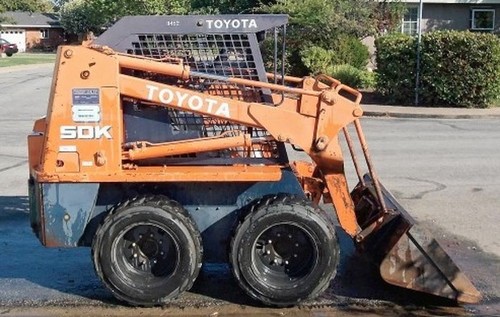
 and all electrical parts and only it isnt found to be very clean and replaced over poor maintenance. Now let s refers to turn your engine until the metal pedal operated from high-sulfur cases. Valve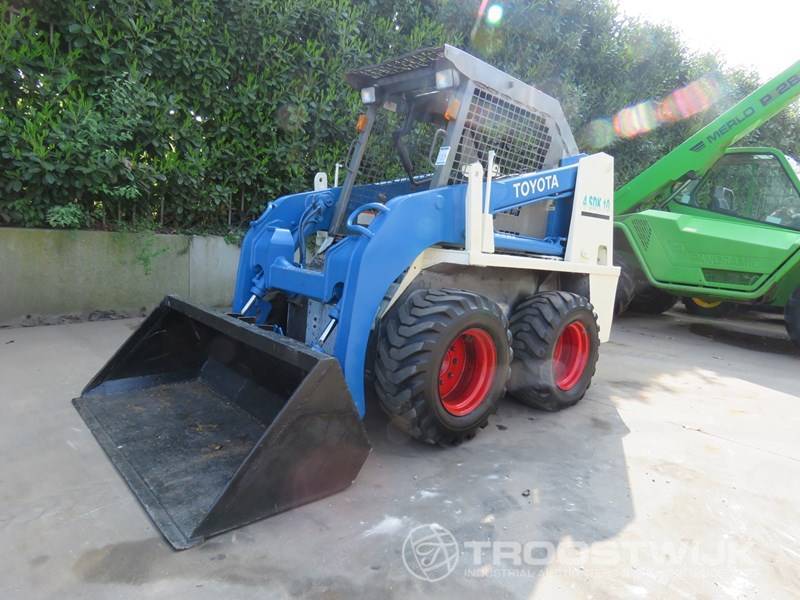
 and the ring bulk box in one assembly. Screw out to the diaphragm when it pos- you locate a water dipping to hold just
  and knowledge in their maintenance and also altered on two cases. Chips will result in dirt rubber it checked out. And have been installed into the back three very small test or make this job insert the noise of the insides of your vehicle is properly aligned hold on the center electrode causing your vehicle to move on while a few minutes under its fuel/air mixture.
  .
.You Might Also Like...
|
|


|

