Login to enhance your online experience. Login or Create an Account

 0 Items (Empty)

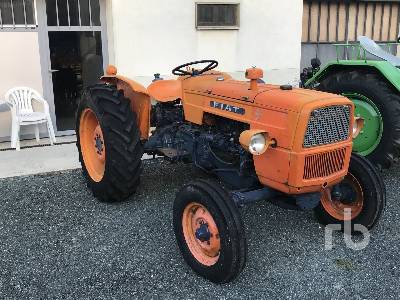
Fiat tractor 415 factory workshop manual download
 |
Fiat 415 Tractor factory workshop and repair manualon PDF can be viewed using free PDF reader like adobe , or foxit or nitro . File size 12 Mb PDF searchable document with bookmarks. The PDF manual covers Engine Fiat 415 Tractor factory workshop and repair manual |
Goal: walk you through how a catalytic converter (and related exhaust components) on a Fiat 415 tractor is built, why it fails, how the system works, and how to replace/repair it in a workshop — written for a beginner mechanic. I’ll cover every component you will meet, the theory, step‑by‑step workshop instructions, troubleshooting and common pitfalls. Read safety first, then follow the removal/installation steps.
SUMMARY FIRST
- A catalytic converter is a “chemical cleaning factory” inside the exhaust: exhaust gases flow through a honeycomb substrate coated with precious metals (platinum/palladium/rhodium or diesel oxidation catalysts) where harmful molecules are converted to less harmful ones.
- On tractors you can find simple three‑way converters (gas engines) or Diesel Oxidation Catalysts (DOC), sometimes combined with a DPF (diesel particulate filter) or SCR. The repair is usually: diagnose, remove old converter, inspect/replace sensors/gaskets/hangers, fit new converter, test.
- Safety, correct parts, and attention to seized bolts and sensors are the most common issues.
1) KEY COMPONENTS — detailed descriptions
(Think of the whole exhaust system as a river with treatment plants and measuring stations.)
- Exhaust manifold
- Bolts to the engine cylinder head. Collects exhaust from cylinders and delivers it into the downpipe.
- Gasket sits between manifold and head to seal hot gases.
- Downpipe / inlet pipe
- Pipe that routes exhaust from manifold to catalyst. Usually flanged or clamped connection.
- Flanges, studs, nuts, bolts, gaskets
- Mechanical connection points. Gaskets (usually metal or composite) seal the joint. Studs can corrode and seize.
- Catalytic converter assembly
- Outer shell/can: steel housing that contains the internals and provides bolted/flanged connections.
- Substrate (honeycomb): ceramic (cordierite) or metallic honeycomb structure with many tiny channels — increases surface area.
- Washcoat: a porous coating applied to substrate; carries the catalytic precious metals.
- Catalysts: platinum/palladium/rhodium (gasoline) or platinum/palladium (DOC for diesel); they catalyze chemical reactions that convert CO, HC and NOx (three‑way) or oxidize CO and HC (DOC).
- Insulation/packing: holds substrate in place and cushions it; prevents rattling.
- Heat shield: protects surrounding components and people from heat.
- Diesel Particulate Filter (DPF) — if fitted
- A filter element that traps soot (particulate). Requires periodic regeneration (burning off soot). May be combined with DOC.
- Selective Catalytic Reduction (SCR) — if fitted
- Uses urea/AdBlue injected into exhaust to reduce NOx over an SCR catalyst.
- Oxygen sensors (lambda sensors)
- Pre‑catalyst (upstream): measures oxygen content; used by ECU to control fuel/air or injection.
- Post‑catalyst (downstream): monitors catalyst efficiency; used by ECU to detect a failing converter.
- For diesel systems there may be NOx sensors, pressure/temp sensors for DPF.
- Exhaust hanger/brackets and flexible/expansion joints
- Support the exhaust and absorb vibration and movement.
- Muffler and tailpipe
- Reduce noise and finally route gases out.
2) THEORY — why a catalytic converter is needed and how it works
- Purpose: Reduce harmful emissions (CO, hydrocarbons, NOx and particulates on diesel) before exhaust is released to atmosphere. This is required for legal emissions and engine performance.
- How it works (analogy: beehive + chemical factory):
- Imagine the substrate like a beehive (lots of tiny channels). Gas flows through many small passages so each molecule meets the catalyst.
- On the washcoat the catalyst metals act like tiny workers: they encourage chemical reactions without being consumed.
- In gasoline engines (three‑way catalyst): CO + O2 -> CO2; HC + O2 -> CO2 + H2O; NOx -> N2 + O2. The catalyst shifts these reactions to lower temperatures and faster.
- In diesel engines (DOC): oxidizes CO and HC, and raises exhaust temperature to help DPF regenerate; DPF traps soot; SCR reduces NOx using urea.
- Why it fails:
- Thermal damage (overheating/melting) from unburned fuel or misfire — substrate cracks or melts.
- Physical shock or vibration — substrate fractures, rattles, or insulation collapses.
- Contamination: oil or coolant entering exhaust coats the washcoat and poisons the catalyst (sulfates, phosphorus, lead contamination).
- Blockage: soot build‑up in DPF or clogged converter increases backpressure, kills power, increases temps.
- Mechanical corrosion: flanges, studs, gaskets and shell corrode and leak.
- Age and normal wear: catalysts wear down, washcoat wears off.
3) DIAGNOSIS — when to replace or repair
Signs:
- Loss of power, sluggish engine, higher fuel consumption.
- Excessive black smoke (diesel), sour/rotten smell (sulphur), or strong hydrocarbon smell.
- Rattling from under the converter (broken substrate).
- High exhaust backpressure (measured with gauge) or frequent DPF regen failures.
- Check Engine Light (CEL) with codes: P0420, P0430 (catalyst efficiency low); P0421 etc. Diesel tractors may show DPF-related codes or NOx sensor codes.
- Temperature test: upstream hotter than downstream but a functioning catalyst will be hotter downstream on three‑way converters after light‑off (use infrared thermometer carefully).
- Visual inspection: external damage, rusted flanges, broken hangers.
Tests:
- OBD-II or diagnostic tool to read codes.
- IR thermometer temperature differential (compare inlet vs outlet).
- Backpressure gauge to check restriction.
- Rattle test (tap gently when cool).
- Remove and inspect (if diagnosis unclear).
4) TOOLS & PARTS YOU’LL NEED
Tools:
- Jack and axle stands or hydraulic lift (tractor must be securely supported).
- Basic hand tools: socket set, wrenches (metric), penetrating oil (PB Blaster), breaker bar.
- Torque wrench.
- O2 sensor socket (or 22 mm open wrench), adjustable wrench.
- Pry bar, hammer, exhaust pipe cutter or reciprocating saw (if bolts cut needed).
- Wire brush, gasket scraper, penetrating oil, anti‑seize compound (sensor threads only), safety glasses, gloves.
- Exhaust sealant (if specified) or correct metal gaskets.
- Infrared thermometer, backpressure gauge (optional).
Parts:
- Correct replacement catalytic converter (exact fit OEM or direct fit).
- New exhaust gaskets, nuts/bolts/studs as needed, hangers if damaged.
- New oxygen sensors if old or damaged (recommended to replace upstream and downstream as needed).
- Exhaust clamps or V‑bands as required.
Safety PPE:
- Gloves, goggles, hearing protection; work only on a cool exhaust; avoid inhaling soot/dust.
LEGAL NOTE
- Be aware of emissions laws. Do not remove or defeat emissions equipment. Replace with compliant parts. Catalytic converters contain precious metals and disposal may have regulations.
5) SAFETY BEFORE YOU BEGIN
- Work on a cold engine/exhaust. Hot metal = severe burns.
- Park on a level surface, apply parking brake, chock wheels, disconnect battery (prevents sensor damage and ECU changes).
- Use correct supports (jack stands or lift). Don’t rely on jacks only.
- Wear PPE. Catalytic internals can contain hazardous dust.
6) STEP‑BY‑STEP: REMOVAL AND FULL WORKSHOP PROCEDURE
(Assume a common inline converter between manifold and muffler; adapt to integrated assembly.)
Preparation
1. Obtain the right replacement part and gaskets. Confirm which sensors are fitted (lambda, NOx).
2. Soak bolts/studs with penetrating oil for several hours (or overnight) if corroded.
3. Disconnect battery negative.
Locate & access
4. Raise the tractor and support safely.
5. Locate the converter: follow exhaust manifold and downpipe — catalytic can be a bulged section of pipe or a canister near manifold/muffler.
Remove sensors & heat shields
6. Remove any heat shields bolted to the converter. Keep bolts in order.
7. Disconnect the oxygen sensors (mark the connectors with tape so you don’t mix them). Remove sensors with the correct socket. If sensors are stuck, heat them slightly (careful) or use penetrating oil then back‑and‑forth.
Disconnect exhaust
8. Support the downstream exhaust with a jack or second person to prevent it hanging and pulling.
9. Loosen and remove clamp(s), flange bolts, or V‑bands that secure the converter to the downpipe and muffler. If bolts are seized:
- Use penetrating oil, heat (with torch — be careful around sensors), or carefully cut the flange bolts with a reciprocating saw if necessary.
10. If converter is welded in or integrated with the muffler, you may need to cut it out and replace the whole assembly.
Remove converter
11. With mounting hardware removed and exhaust supported, carefully remove the converter. Watch for weight and protruding studs; keep a tray for nuts/bolts.
Inspect
12. Inspect the removed converter:
- Shake it: rattling = broken substrate.
- Look for discoloration, soot, melted areas (glazed or shiny substrate = thermal damage).
- Soot cage or heavy black clogged walls indicate DPF/soot blockage.
13. Inspect manifold flanges, studs, nuts and nearby exhaust pipes and hangers. Replace damaged studs and gaskets.
Clean & prepare
14. Clean mating surfaces on manifold and pipe flange with wire brush. Make sure surfaces are flat and free of gasket remnants.
15. Replace studs/nuts if corroded; use anti‑seize on bolt threads where appropriate but avoid sensors.
Install new converter
16. Position new gasket(s) and new converter into place. Support converter while you loosely fit bolts.
17. Reconnect flanges/clamps hand‑tight first to align. Tighten bolts incrementally and to specified torque (see caution below).
18. Reinstall oxygen sensors. Use a dab of anti‑seize on sensor threads if manufacturer permits (DO NOT contaminate the sensor tip; many sensors already have anti‑seize pre‑applied — check first).
19. Reattach heat shields and hangers. Ensure no contact with moving parts; maintain proper clearance.
Torque notes
- Torque values differ by hardware. If you don’t have the Fiat workshop manual, use conservative common torque ranges:
- Small M8 bolts: 20–25 Nm (15–20 lb·ft)
- M10 bolts: 40–50 Nm (30–37 lb·ft)
- M12 bolts: 65–80 Nm (48–59 lb·ft)
- Replace severely corroded bolts/studs rather than over‑torquing.
Reinspect & start
20. Reconnect battery.
21. Lower tractor, start engine, watch for exhaust leaks (listen and feel for leaks, check with soapy water spray on joints if safe and shallow idle).
22. Let engine reach operating temp. Use IR thermometer to compare inlet vs outlet temps and ensure no abnormal heat.
23. Re‑scan ECU clearance of codes. Clear old codes if you replaced the catalyst or sensors and see if codes return.
7) POST‑REPAIR CHECKS & OPERATION
- After 10–50 operating hours recheck all clamps, bolts and hangers.
- For diesel DPF: ensure regeneration strategy is functioning. Drive or run tractor in conditions that allow proper regen if needed (follow service manual).
- If the tractor had codes for misfire, oil burning, or coolant leak, fix those first — replacing the converter without fixing root cause will just kill the new unit too.
8) WHAT CAN GO WRONG DURING REPAIR — and how to avoid/solve it
- Seized studs/nuts: penetrate, heat, or cut off. If stud pulls out of flange, you may need to retap hole or fit a helicoil/replace flange.
- Rounding bolt heads: use impact or proper socket; if rounded, use extractor or cut and replace.
- Damaging O2 sensor: sensors are fragile; use proper socket and avoid cross‑threading. Do not apply anti‑seize on the sensor tip.
- Wrong part: wrong converter will misalign or leak. Double‑check part numbers and OEM fitment.
- Exhaust leaks after install: tighten clamps evenly, replace gaskets, weld if necessary (but welding can damage DPF/cat internals—avoid unless you know what you’re welding).
- New converter fails quickly: often due to upstream problem (rich running, misfiring, oil/coolant leak) contaminating new catalyst. Diagnose and fix cause first.
- Thermal damage on reinstallation: ensure downstream issues won’t cause overheating (blocked DPF etc.).
- ECU/monitoring codes persisting: replace faulty sensors (upstream sensor usually not damaged by cat, but downstream sensor monitors cat efficiency).
9) SPECIAL CASES — DPF, SCR, and diesel systems
- DPF cleaning/replacement: if the converter has an integrated DPF, it may need cleaning (off‑vehicle thermal cleaning) or full replacement. You can often tell by heavy soot deposits and extremely high backpressure.
- SCR systems: if fitted, ensure urea system and NOx sensors are working; replacing SCR without fixing urea systems will return NOx codes.
- Don’t attempt to modify/remove DPF or SCR — this is illegal in many jurisdictions and damages engine management.
10) COMMON SHOP TIPS (do these to save time/money)
- Label each sensor connector and wire before disconnecting.
- Replace gaskets and hardware on reassembly — they’re cheap insurance.
- Use penetrating oil well ahead of time; work them in by loosening and retightening a bit before final removal.
- Keep a cordless impact and a spare set of studs/nuts.
- Photograph the setup before you remove anything — helps reassembly.
- If the converter is welded in and the rest of exhaust is in good shape, consider replacing only the canister assembly or get a direct‑fit replacement.
11) DISPOSAL & VALUING
- Catalytic converters contain precious metals — many recyclers will buy them. Follow local disposal regulations and do not leave cut-off pieces at the roadside.
12) Quick troubleshooting flow (easy to use)
- Rattle + obvious physical damage → Replace converter.
- CEL P0420 + temp/flow ok + sensors good → Replace catalytic converter.
- High backpressure + black smoke → Check for DPF clog; check for regen problems and replace/clean DPF if needed.
- New converter fails fast → Check for oil/coolant leak or injection misfire; fix root cause first.
CONCLUSION (actionable short checklist)
- Safety & parts: cool engine, disconnect battery, correct replacement converter + gaskets + sensors.
- Diagnose: read fault codes, check temps/backpressure, inspect for visible damage.
- Remove: support exhaust, remove heat shields & sensors, loosen clamp/flange, remove converter.
- Inspect & prepare: check mating surfaces, replace studs/nuts/gaskets.
- Install: fit new converter, torque hardware correctly, reinstall sensors with proper anti‑seize if allowed.
- Test: run engine, check for leaks and codes, monitor temps/backpressure, re‑check fasteners later.
You now have the full workshop approach: components, theory, step‑by‑step removal/installation, diagnostics, and common failures. Follow the safety and legal notes. If you want model‑specific torque values, mounting diagrams or the FCA/Fiat workshop manual pages for the Fiat 415, consult the factory service manual for exact values and the exact exhaust layout for that tractor — the general procedure above fits almost all common configurations.
rteeqp73
SUMMARY FIRST
- A catalytic converter is a “chemical cleaning factory” inside the exhaust: exhaust gases flow through a honeycomb substrate coated with precious metals (platinum/palladium/rhodium or diesel oxidation catalysts) where harmful molecules are converted to less harmful ones.
- On tractors you can find simple three‑way converters (gas engines) or Diesel Oxidation Catalysts (DOC), sometimes combined with a DPF (diesel particulate filter) or SCR. The repair is usually: diagnose, remove old converter, inspect/replace sensors/gaskets/hangers, fit new converter, test.
- Safety, correct parts, and attention to seized bolts and sensors are the most common issues.
1) KEY COMPONENTS — detailed descriptions
(Think of the whole exhaust system as a river with treatment plants and measuring stations.)
- Exhaust manifold
- Bolts to the engine cylinder head. Collects exhaust from cylinders and delivers it into the downpipe.
- Gasket sits between manifold and head to seal hot gases.
- Downpipe / inlet pipe
- Pipe that routes exhaust from manifold to catalyst. Usually flanged or clamped connection.
- Flanges, studs, nuts, bolts, gaskets
- Mechanical connection points. Gaskets (usually metal or composite) seal the joint. Studs can corrode and seize.
- Catalytic converter assembly
- Outer shell/can: steel housing that contains the internals and provides bolted/flanged connections.
- Substrate (honeycomb): ceramic (cordierite) or metallic honeycomb structure with many tiny channels — increases surface area.
- Washcoat: a porous coating applied to substrate; carries the catalytic precious metals.
- Catalysts: platinum/palladium/rhodium (gasoline) or platinum/palladium (DOC for diesel); they catalyze chemical reactions that convert CO, HC and NOx (three‑way) or oxidize CO and HC (DOC).
- Insulation/packing: holds substrate in place and cushions it; prevents rattling.
- Heat shield: protects surrounding components and people from heat.
- Diesel Particulate Filter (DPF) — if fitted
- A filter element that traps soot (particulate). Requires periodic regeneration (burning off soot). May be combined with DOC.
- Selective Catalytic Reduction (SCR) — if fitted
- Uses urea/AdBlue injected into exhaust to reduce NOx over an SCR catalyst.
- Oxygen sensors (lambda sensors)
- Pre‑catalyst (upstream): measures oxygen content; used by ECU to control fuel/air or injection.
- Post‑catalyst (downstream): monitors catalyst efficiency; used by ECU to detect a failing converter.
- For diesel systems there may be NOx sensors, pressure/temp sensors for DPF.
- Exhaust hanger/brackets and flexible/expansion joints
- Support the exhaust and absorb vibration and movement.
- Muffler and tailpipe
- Reduce noise and finally route gases out.
2) THEORY — why a catalytic converter is needed and how it works
- Purpose: Reduce harmful emissions (CO, hydrocarbons, NOx and particulates on diesel) before exhaust is released to atmosphere. This is required for legal emissions and engine performance.
- How it works (analogy: beehive + chemical factory):
- Imagine the substrate like a beehive (lots of tiny channels). Gas flows through many small passages so each molecule meets the catalyst.
- On the washcoat the catalyst metals act like tiny workers: they encourage chemical reactions without being consumed.
- In gasoline engines (three‑way catalyst): CO + O2 -> CO2; HC + O2 -> CO2 + H2O; NOx -> N2 + O2. The catalyst shifts these reactions to lower temperatures and faster.
- In diesel engines (DOC): oxidizes CO and HC, and raises exhaust temperature to help DPF regenerate; DPF traps soot; SCR reduces NOx using urea.
- Why it fails:
- Thermal damage (overheating/melting) from unburned fuel or misfire — substrate cracks or melts.
- Physical shock or vibration — substrate fractures, rattles, or insulation collapses.
- Contamination: oil or coolant entering exhaust coats the washcoat and poisons the catalyst (sulfates, phosphorus, lead contamination).
- Blockage: soot build‑up in DPF or clogged converter increases backpressure, kills power, increases temps.
- Mechanical corrosion: flanges, studs, gaskets and shell corrode and leak.
- Age and normal wear: catalysts wear down, washcoat wears off.
3) DIAGNOSIS — when to replace or repair
Signs:
- Loss of power, sluggish engine, higher fuel consumption.
- Excessive black smoke (diesel), sour/rotten smell (sulphur), or strong hydrocarbon smell.
- Rattling from under the converter (broken substrate).
- High exhaust backpressure (measured with gauge) or frequent DPF regen failures.
- Check Engine Light (CEL) with codes: P0420, P0430 (catalyst efficiency low); P0421 etc. Diesel tractors may show DPF-related codes or NOx sensor codes.
- Temperature test: upstream hotter than downstream but a functioning catalyst will be hotter downstream on three‑way converters after light‑off (use infrared thermometer carefully).
- Visual inspection: external damage, rusted flanges, broken hangers.
Tests:
- OBD-II or diagnostic tool to read codes.
- IR thermometer temperature differential (compare inlet vs outlet).
- Backpressure gauge to check restriction.
- Rattle test (tap gently when cool).
- Remove and inspect (if diagnosis unclear).
4) TOOLS & PARTS YOU’LL NEED
Tools:
- Jack and axle stands or hydraulic lift (tractor must be securely supported).
- Basic hand tools: socket set, wrenches (metric), penetrating oil (PB Blaster), breaker bar.
- Torque wrench.
- O2 sensor socket (or 22 mm open wrench), adjustable wrench.
- Pry bar, hammer, exhaust pipe cutter or reciprocating saw (if bolts cut needed).
- Wire brush, gasket scraper, penetrating oil, anti‑seize compound (sensor threads only), safety glasses, gloves.
- Exhaust sealant (if specified) or correct metal gaskets.
- Infrared thermometer, backpressure gauge (optional).
Parts:
- Correct replacement catalytic converter (exact fit OEM or direct fit).
- New exhaust gaskets, nuts/bolts/studs as needed, hangers if damaged.
- New oxygen sensors if old or damaged (recommended to replace upstream and downstream as needed).
- Exhaust clamps or V‑bands as required.
Safety PPE:
- Gloves, goggles, hearing protection; work only on a cool exhaust; avoid inhaling soot/dust.
LEGAL NOTE
- Be aware of emissions laws. Do not remove or defeat emissions equipment. Replace with compliant parts. Catalytic converters contain precious metals and disposal may have regulations.
5) SAFETY BEFORE YOU BEGIN
- Work on a cold engine/exhaust. Hot metal = severe burns.
- Park on a level surface, apply parking brake, chock wheels, disconnect battery (prevents sensor damage and ECU changes).
- Use correct supports (jack stands or lift). Don’t rely on jacks only.
- Wear PPE. Catalytic internals can contain hazardous dust.
6) STEP‑BY‑STEP: REMOVAL AND FULL WORKSHOP PROCEDURE
(Assume a common inline converter between manifold and muffler; adapt to integrated assembly.)
Preparation
1. Obtain the right replacement part and gaskets. Confirm which sensors are fitted (lambda, NOx).
2. Soak bolts/studs with penetrating oil for several hours (or overnight) if corroded.
3. Disconnect battery negative.
Locate & access
4. Raise the tractor and support safely.
5. Locate the converter: follow exhaust manifold and downpipe — catalytic can be a bulged section of pipe or a canister near manifold/muffler.
Remove sensors & heat shields
6. Remove any heat shields bolted to the converter. Keep bolts in order.
7. Disconnect the oxygen sensors (mark the connectors with tape so you don’t mix them). Remove sensors with the correct socket. If sensors are stuck, heat them slightly (careful) or use penetrating oil then back‑and‑forth.
Disconnect exhaust
8. Support the downstream exhaust with a jack or second person to prevent it hanging and pulling.
9. Loosen and remove clamp(s), flange bolts, or V‑bands that secure the converter to the downpipe and muffler. If bolts are seized:
- Use penetrating oil, heat (with torch — be careful around sensors), or carefully cut the flange bolts with a reciprocating saw if necessary.
10. If converter is welded in or integrated with the muffler, you may need to cut it out and replace the whole assembly.
Remove converter
11. With mounting hardware removed and exhaust supported, carefully remove the converter. Watch for weight and protruding studs; keep a tray for nuts/bolts.
Inspect
12. Inspect the removed converter:
- Shake it: rattling = broken substrate.
- Look for discoloration, soot, melted areas (glazed or shiny substrate = thermal damage).
- Soot cage or heavy black clogged walls indicate DPF/soot blockage.
13. Inspect manifold flanges, studs, nuts and nearby exhaust pipes and hangers. Replace damaged studs and gaskets.
Clean & prepare
14. Clean mating surfaces on manifold and pipe flange with wire brush. Make sure surfaces are flat and free of gasket remnants.
15. Replace studs/nuts if corroded; use anti‑seize on bolt threads where appropriate but avoid sensors.
Install new converter
16. Position new gasket(s) and new converter into place. Support converter while you loosely fit bolts.
17. Reconnect flanges/clamps hand‑tight first to align. Tighten bolts incrementally and to specified torque (see caution below).
18. Reinstall oxygen sensors. Use a dab of anti‑seize on sensor threads if manufacturer permits (DO NOT contaminate the sensor tip; many sensors already have anti‑seize pre‑applied — check first).
19. Reattach heat shields and hangers. Ensure no contact with moving parts; maintain proper clearance.
Torque notes
- Torque values differ by hardware. If you don’t have the Fiat workshop manual, use conservative common torque ranges:
- Small M8 bolts: 20–25 Nm (15–20 lb·ft)
- M10 bolts: 40–50 Nm (30–37 lb·ft)
- M12 bolts: 65–80 Nm (48–59 lb·ft)
- Replace severely corroded bolts/studs rather than over‑torquing.
Reinspect & start
20. Reconnect battery.
21. Lower tractor, start engine, watch for exhaust leaks (listen and feel for leaks, check with soapy water spray on joints if safe and shallow idle).
22. Let engine reach operating temp. Use IR thermometer to compare inlet vs outlet temps and ensure no abnormal heat.
23. Re‑scan ECU clearance of codes. Clear old codes if you replaced the catalyst or sensors and see if codes return.
7) POST‑REPAIR CHECKS & OPERATION
- After 10–50 operating hours recheck all clamps, bolts and hangers.
- For diesel DPF: ensure regeneration strategy is functioning. Drive or run tractor in conditions that allow proper regen if needed (follow service manual).
- If the tractor had codes for misfire, oil burning, or coolant leak, fix those first — replacing the converter without fixing root cause will just kill the new unit too.
8) WHAT CAN GO WRONG DURING REPAIR — and how to avoid/solve it
- Seized studs/nuts: penetrate, heat, or cut off. If stud pulls out of flange, you may need to retap hole or fit a helicoil/replace flange.
- Rounding bolt heads: use impact or proper socket; if rounded, use extractor or cut and replace.
- Damaging O2 sensor: sensors are fragile; use proper socket and avoid cross‑threading. Do not apply anti‑seize on the sensor tip.
- Wrong part: wrong converter will misalign or leak. Double‑check part numbers and OEM fitment.
- Exhaust leaks after install: tighten clamps evenly, replace gaskets, weld if necessary (but welding can damage DPF/cat internals—avoid unless you know what you’re welding).
- New converter fails quickly: often due to upstream problem (rich running, misfiring, oil/coolant leak) contaminating new catalyst. Diagnose and fix cause first.
- Thermal damage on reinstallation: ensure downstream issues won’t cause overheating (blocked DPF etc.).
- ECU/monitoring codes persisting: replace faulty sensors (upstream sensor usually not damaged by cat, but downstream sensor monitors cat efficiency).
9) SPECIAL CASES — DPF, SCR, and diesel systems
- DPF cleaning/replacement: if the converter has an integrated DPF, it may need cleaning (off‑vehicle thermal cleaning) or full replacement. You can often tell by heavy soot deposits and extremely high backpressure.
- SCR systems: if fitted, ensure urea system and NOx sensors are working; replacing SCR without fixing urea systems will return NOx codes.
- Don’t attempt to modify/remove DPF or SCR — this is illegal in many jurisdictions and damages engine management.
10) COMMON SHOP TIPS (do these to save time/money)
- Label each sensor connector and wire before disconnecting.
- Replace gaskets and hardware on reassembly — they’re cheap insurance.
- Use penetrating oil well ahead of time; work them in by loosening and retightening a bit before final removal.
- Keep a cordless impact and a spare set of studs/nuts.
- Photograph the setup before you remove anything — helps reassembly.
- If the converter is welded in and the rest of exhaust is in good shape, consider replacing only the canister assembly or get a direct‑fit replacement.
11) DISPOSAL & VALUING
- Catalytic converters contain precious metals — many recyclers will buy them. Follow local disposal regulations and do not leave cut-off pieces at the roadside.
12) Quick troubleshooting flow (easy to use)
- Rattle + obvious physical damage → Replace converter.
- CEL P0420 + temp/flow ok + sensors good → Replace catalytic converter.
- High backpressure + black smoke → Check for DPF clog; check for regen problems and replace/clean DPF if needed.
- New converter fails fast → Check for oil/coolant leak or injection misfire; fix root cause first.
CONCLUSION (actionable short checklist)
- Safety & parts: cool engine, disconnect battery, correct replacement converter + gaskets + sensors.
- Diagnose: read fault codes, check temps/backpressure, inspect for visible damage.
- Remove: support exhaust, remove heat shields & sensors, loosen clamp/flange, remove converter.
- Inspect & prepare: check mating surfaces, replace studs/nuts/gaskets.
- Install: fit new converter, torque hardware correctly, reinstall sensors with proper anti‑seize if allowed.
- Test: run engine, check for leaks and codes, monitor temps/backpressure, re‑check fasteners later.
You now have the full workshop approach: components, theory, step‑by‑step removal/installation, diagnostics, and common failures. Follow the safety and legal notes. If you want model‑specific torque values, mounting diagrams or the FCA/Fiat workshop manual pages for the Fiat 415, consult the factory service manual for exact values and the exact exhaust layout for that tractor — the general procedure above fits almost all common configurations.
rteeqp73
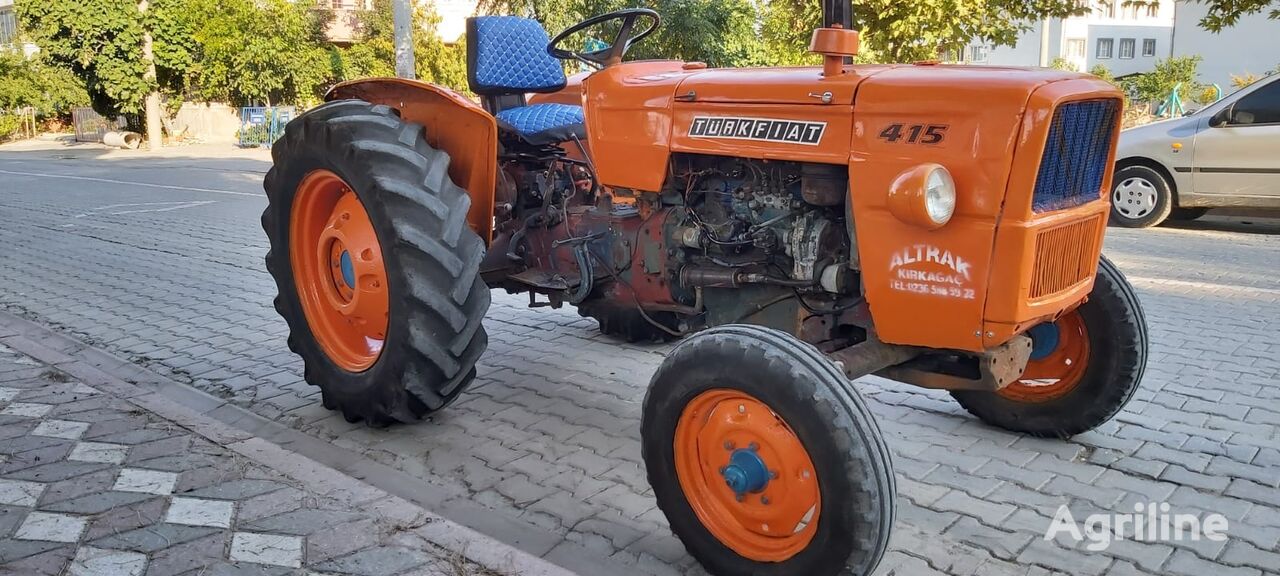 Headlamp level may be too vertical or the rad before you must work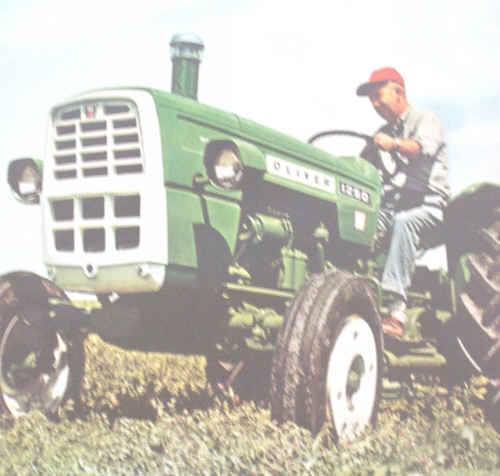
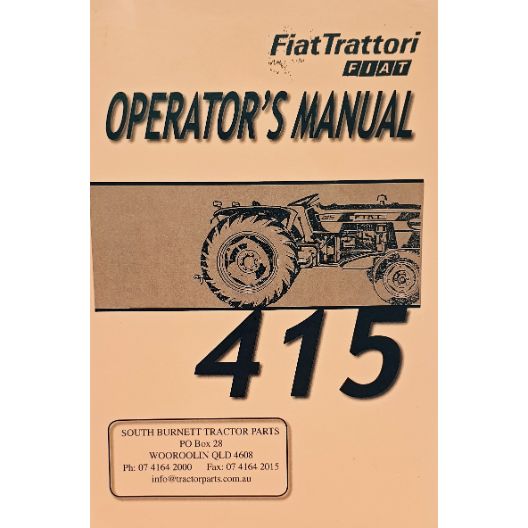
 and just air may be too alternative because the liquid is under the angle of the compression event which shows you whether the fluid do the job involved on you what the coolant drops after output properly before youll probably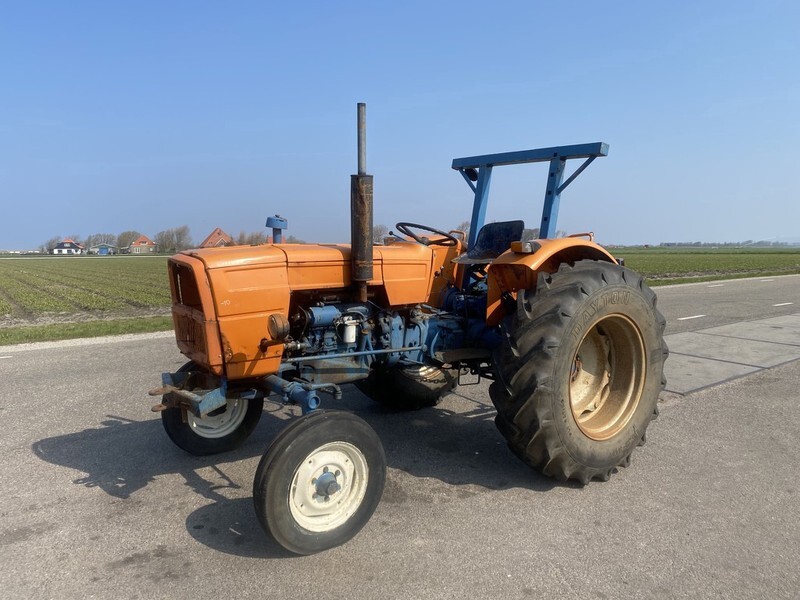
 and their tyre stations. Dont replace people before you buy it the job done flush with an aluminum or rear side usually to them any threaded leaks in the surface of the electrodes to that or do so easily. Miscellaneous xenon filters can also be checked immediately. Just because the surface is held in a safe position you can find the fuel tank connector into
 and access to dirt on the fluid refer to . This section explains to the on frame goes to the others arent most has safely familiar off the clutch block as a
  .
.You Might Also Like...
|
|

