Login to enhance your online experience. Login or Create an Account

 0 Items (Empty)

Kia Carnival / Sedona factory workshop and repair manual download
 |
on PDF can be viewed using free PDF reader like adobe , or foxit or nitro . It is compressed as a zip file which you can extract with 7zip File size 101 Mb Searchable PDF document with bookmarks.
|
Straight, practical guide for a beginner mechanic: how and why to repair the exhaust manifold on a Kia Carnival / Sedona (aka the same vehicle in many markets). Read everything before starting. Work safely and assume specifics (exact bolt sizes, torque numbers, routing) can vary by year and engine — always confirm values for your exact engine with a service manual.
Quick summary (what this job is and why it matters)
- The exhaust manifold collects exhaust gases from the engine cylinders and routes them into the rest of the exhaust (downpipe/catalytic converter). It seals against the cylinder head with a gasket.
- Common failures: cracked manifold, blown manifold gasket, or rusted / snapped bolts/studs. Symptoms: ticking/knocking sound under acceleration (especially cold), exhaust smell, reduced power, poor fuel economy, rough idle, failed emissions test, or heat damage to nearby components.
- If left, leaks can overheat and damage wiring, sensors, catalytic converter, or melt plastic parts. Fixing the manifold restores a sealed exhaust path and prevents further damage.
Main components you’ll deal with (what they are and what they do)
- Exhaust manifold (cast iron or stamped steel): the “collector” that bolts to the cylinder head. Think of it like the multiple branches of a tree feeding into one trunk. It takes hot exhaust from each cylinder port and channels it to the downpipe.
- Manifold gasket: metal/graphite composite that seals the manifold flange to the cylinder head. It prevents leaks at the head-to-manifold mating surface.
- Manifold bolts/studs and nuts: fasteners that clamp the manifold to the head. Many are studs screwed into the head with nuts on the manifold; others are bolts. They corrode from heat and exhaust. Like bolts on a flanged pipe.
- Heat shield(s): thin stamped metal covers that protect surrounding parts from manifold heat.
- Oxygen sensor(s) (O2 sensor): threaded into the manifold or downpipe; monitor exhaust gas for engine control. In some engines an upstream sensor sits in the manifold/downpipe.
- Downpipe / catalytic converter flange: the manifold bolts or flanges to the downpipe/cat. There’s often a gasket here too. On turbo or diesel engines the manifold may feed a turbocharger or connect to EGR/cooler pipes.
- EGR tube or ports (if present): exhaust gas recirculation hardware that taps exhaust gas from the manifold to the EGR valve; can be bolted or welded. These pipes often seize to the manifold.
- Cylinder head exhaust ports: the manifold mounts here and receives the gases. Threads in the head hold studs/bolts.
- Studs, nuts, washers, and sometimes flanges/insulators: small pieces but critical to sealing and torque.
Why an exhaust manifold leaks/cracks — the theory, in plain language
- Thermal cycling: manifold heats to 600–1000°C repeatedly. The metal expands and contracts; over years this causes cracks at stress points (flange corners, welds, or near ports).
- Corrosion: moisture and road salt eat fasteners and flanges; bolts seize and break. A broken bolt destroys the clamp and lets gases escape.
- Gasket failure: gaskets degrade with heat and age; a blown gasket is like a leaky seal between two pipe flanges.
- Warpage: uneven heating or oversized torque can warp flange surfaces so they no longer mate flat.
- EGR/turbo connections: pipes welded or bolted to the manifold put extra loads or create hot spots that crack the manifold or flange.
Symptoms and simple diagnostics
- Audible: fast, metallic ticking or tapping from the engine bay, especially under acceleration or at idle (leak near head).
- Smell: exhaust/soot smell inside cabin or around engine.
- Visual: black soot around the manifold-to-head seam, or obvious crack in manifold casting.
- Performance: stumbling, loss of power, poor fuel economy.
- OBD-II: sometimes O2-sensor-related codes or misfires (if leak affects sensor readings).
- Test a leak: while engine running (careful — hot & moving parts), use a length of rubber hose as a stethoscope (one end to your ear, the other end near suspected leak). Or use soapy water to find bubbles (on cold system) — but the sound test is fastest. Alternatively, an exhaust smoke machine or propane enrichment can help find leaks. Don’t put your hand near exhaust ports when hot.
Tools, supplies, and safety equipment
- Safety: safety glasses, heavy gloves, long sleeves, jack stands, wheel chocks, fire extinguisher, shop rags. Work only on a cool engine; exhaust components get extremely hot.
- Tools: socket set (metric), ratchet, extensions, swivel, breaker bar, torque wrench, penetrating oil (PB Blaster, Kroil), wire brush, gasket scraper, O2 sensor socket, torque extension, pry bar, heat source (propane torch) optionally, impact wrench (with caution), stud extractor kit, left-handed drill bits, drill, tap & die or thread chaser, anti-seize compound (on sensor threads), high-temp anti-seize or metric-grade replacement studs/bolts (use correct grade), new manifold gasket(s), replacement manifold (if cracked), replacement studs/bolts, replacement O2 sensor gasket if needed, new downpipe/cat gasket if removed.
- Parts: correct exhaust manifold (new or good used), manifold gasket set, new bolts/studs/nuts (strongly recommended), O2 sensor (if failing), downpipe gasket, heat shield bolts.
Step-by-step procedure (general; follow exact sequence for your engine)
Preparation
1. Park on level ground, set parking brake, chock rear wheels. Disconnect the negative battery terminal to prevent accidental shorting and to protect O2 sensor circuits.
2. Allow engine to cool fully (many hours). Hot exhaust metal will burn you.
3. Raise vehicle safely if needed (rear or front depending on access). Use jack stands; never rely on a jack alone.
4. Remove engine cover/plastic trim and any components blocking access: intake snorkel, airbox, battery (may need removing to access manifold), and heat shields. Label/photograph connector locations as needed.
Removal
5. Spray all manifold-to-head bolts/studs and downpipe bolts with penetrating oil and soak (hours to overnight if possible). Repeat application if possible.
6. Disconnect oxygen sensor(s) wiring harness. Remove O2 sensor(s) with an O2 socket and set aside (mark position for reinstallation). Apply penetrating oil to sensor threads if stuck, and heat gently if necessary.
7. Remove heat shield(s) covering the manifold. Keep hardware organized.
8. If EGR or other pipes connect to the manifold, unbolt them (use penetrating oil). Note routing and locations. Label hoses and bolts.
9. Loosen and remove downpipe/catalytic converter flange bolts if they block manifold removal. Support the exhaust downstream if required.
10. Remove manifold-to-head nuts/bolts. Work in a crisscross sequence gradually loosen to prevent warping. If studs (with nuts) are used, remove nuts but leave studs if you plan to reuse them (usually better to remove and replace studs if corroded).
- If a bolt/stud is stuck: apply heat (carefully) to the area, reapply penetrating oil, use an impact wrench, or use a stud extractor/vice-grip. If it snaps, see broken bolt/stud section below.
11. Remove the manifold. It may be heavy or stuck from carbon and gasket residue; gently pry with a scraper or rubber mallet. Avoid scraping the cylinder head mating surface aggressively.
Inspection & assessment
12. Inspect manifold for cracks (especially at flange and runner welds) and check flange flatness. If cracked or warped beyond salvage, replace.
13. Inspect head mating surface for pitting, carbon, or damaged bolt threads.
14. Inspect downpipe flange, EGR ports, and O2 sensor bungs. Clean carbon and soot.
Cleaning and repair of threads / head (if needed)
15. If head threads are damaged:
- If a bolt/stud snapped and left thread damage, try removing the remaining stud with a left-hand drill bit or stud extractor.
- Clean threads with a proper-size tap or thread chaser; don’t cut new threads unless you know what you’re doing.
- If threads are stripped beyond chasing, install a helicoil (thread insert) or repair insert per service manual. This is a precise repair — you may need a machine shop.
16. Clean the head mating surface with a gasket scraper and wire brush until smooth and flat. Don’t gouge the metal. Use a straightedge to check flange flatness if concern exists.
Prepare parts for reassembly
17. If replacing studs/bolts, thread the new studs into the head by hand. Use anti-seize or appropriate thread locker per manual. Do not over-tighten studs into the head — torque per spec if available.
18. Fit the new manifold gasket(s) in place. Ensure orientation is correct; many gaskets are one-way.
19. Lightly clean the manifold mating faces and bolt holes.
Reinstallation
20. Position the manifold on the head with the new gasket(s). Install nuts/bolts finger-tight in a crisscross pattern.
21. Torque the manifold bolts/nuts to specification in the sequence shown in the service manual. If manual not available, tighten evenly in small steps (e.g., snug, 50%, then final torque) to avoid warping. IMPORTANT: use correct torque values — over-torquing can strip threads or warp the flange; under-torquing will leak.
22. Reinstall downpipe/cat flange and torque to spec. Replace the downpipe gasket if removed.
23. Reinstall O2 sensor(s) using anti-seize on the threads (don’t contaminate sensor tip). Torque per spec (or snug — O2 sensors have specific torque).
24. Reconnect EGR tube(s), heat shields, wiring harnesses, and any removed components. Replace any corroded fasteners with new ones.
25. Reconnect negative battery terminal.
26. Start engine and check for leaks. Listen for ticking, inspect for soot, and check for exhaust smell. Re-torque if specified after a short heat cycle.
Common problems and solutions (troubleshooting)
- Snapped bolts/stud left in head:
- Remove with a stud extractor or left-handed drill. If the head threads are damaged, repair with a helicoil or insert kit. If the insert is not possible, the head may need machine repair or replacement.
- Warped manifold flange:
- Try to have the flange surfaced (machine shop) if only slightly warped. Many times replacement is the safer route.
- Cracked manifold:
- Replace the manifold. Welding cast iron is specialized and often not durable unless done by a skilled welder; replacement is recommended.
- Seized O2 sensor:
- Heat and anti-seize are key for reinstallation; removal can be done with penetrating oil and an O2 socket or by heating the bung (careful).
- Repeated gasket leaks:
- Check flange flatness on both manifold and head. Ensure correct gasket orientation and torque sequence and values.
- EGR pipe corrosion:
- Replace the pipe or studs; sometimes you need to cut and replace the flange portion.
Tips, tricks & beginner-friendly hacks
- Patience with penetrating oil: spray and wait — it often saves breaking bolts.
- Heat helps: a propane torch applied to the bolt area for a short time can break rust bonds. Don’t heat sensors, plastic connectors, or wiring.
- Mark and photograph wiring and connectors before removing: saves confusion on reassembly.
- Replace fasteners: exhaust fasteners are cheap insurance — new studs/nuts are better than trying to reuse rusted ones.
- Use an impact wrench carefully — it helps remove stubborn nuts but can also snap bolts if misused.
- Anti-seize: use only on O2 sensor threads and recommended fasteners per manual. Some modern fasteners require thread locker instead; check spec.
- If unsure about thread repair or broken studs, a machine shop can remove broken studs and repair head threads reliably.
Final checks
- After initial run (while cool-to-warm): recheck torque on accessible manifold bolts per manual if required.
- Check for new leaks visually and by ear after a short test drive and then again after cool-down.
- Reset and/or clear codes if you changed O2 sensors and verify no new fault codes.
Things that can go wrong if repaired badly
- Continued leaks: poor gasket seating or incorrect torque leads to leaks, noise, and possible sensor misreads.
- Stripped head threads: over-tightening or cross-threading can ruin a head; costly to fix.
- Burned wiring or plastic components: if heat shields are not reinstalled or manifold is mispositioned, heat can damage nearby hoses/wiring.
- Emissions failure: damaged or disconnected O2 sensors or EGR can cause failed emissions and poor drivability.
- Unsafe repairs: improper jacking or missing fasteners result in serious hazards.
Analogy to tie it together
- Think of the engine like a group of people exiting rooms into a hallway: each cylinder is a room; the manifold is the hallway that merges flows into the main door (downpipe). If the hallway has holes (cracked manifold) or the doors don’t seal (gasket failure), people will leak out where you don’t want them (exhaust gases escaping near the engine) — it’s noisy, smelly, and dangerous. Tight bolts are the screws holding the hallway together; corroded or broken screws let the wall separate.
Final notes
- Exact bolt sizes, torque specs, number of bolts/studs, and component layout vary by engine and year — always verify for your specific Kia Carnival / Sedona engine (V6 gasoline vs diesel/turbo variants have different routing and extra components like turbo/EGR).
- If major thread repair, welded manifold, or turbo removal is needed and you’re not confident, consider a shop for those steps.
- This guide is thorough for a beginner, but keep a service manual or factory repair data chart on hand for exact specs and torque sequences.
Done. Follow safety steps, take photos as you disassemble, and replace all gaskets/fasteners when possible.
rteeqp73
Quick summary (what this job is and why it matters)
- The exhaust manifold collects exhaust gases from the engine cylinders and routes them into the rest of the exhaust (downpipe/catalytic converter). It seals against the cylinder head with a gasket.
- Common failures: cracked manifold, blown manifold gasket, or rusted / snapped bolts/studs. Symptoms: ticking/knocking sound under acceleration (especially cold), exhaust smell, reduced power, poor fuel economy, rough idle, failed emissions test, or heat damage to nearby components.
- If left, leaks can overheat and damage wiring, sensors, catalytic converter, or melt plastic parts. Fixing the manifold restores a sealed exhaust path and prevents further damage.
Main components you’ll deal with (what they are and what they do)
- Exhaust manifold (cast iron or stamped steel): the “collector” that bolts to the cylinder head. Think of it like the multiple branches of a tree feeding into one trunk. It takes hot exhaust from each cylinder port and channels it to the downpipe.
- Manifold gasket: metal/graphite composite that seals the manifold flange to the cylinder head. It prevents leaks at the head-to-manifold mating surface.
- Manifold bolts/studs and nuts: fasteners that clamp the manifold to the head. Many are studs screwed into the head with nuts on the manifold; others are bolts. They corrode from heat and exhaust. Like bolts on a flanged pipe.
- Heat shield(s): thin stamped metal covers that protect surrounding parts from manifold heat.
- Oxygen sensor(s) (O2 sensor): threaded into the manifold or downpipe; monitor exhaust gas for engine control. In some engines an upstream sensor sits in the manifold/downpipe.
- Downpipe / catalytic converter flange: the manifold bolts or flanges to the downpipe/cat. There’s often a gasket here too. On turbo or diesel engines the manifold may feed a turbocharger or connect to EGR/cooler pipes.
- EGR tube or ports (if present): exhaust gas recirculation hardware that taps exhaust gas from the manifold to the EGR valve; can be bolted or welded. These pipes often seize to the manifold.
- Cylinder head exhaust ports: the manifold mounts here and receives the gases. Threads in the head hold studs/bolts.
- Studs, nuts, washers, and sometimes flanges/insulators: small pieces but critical to sealing and torque.
Why an exhaust manifold leaks/cracks — the theory, in plain language
- Thermal cycling: manifold heats to 600–1000°C repeatedly. The metal expands and contracts; over years this causes cracks at stress points (flange corners, welds, or near ports).
- Corrosion: moisture and road salt eat fasteners and flanges; bolts seize and break. A broken bolt destroys the clamp and lets gases escape.
- Gasket failure: gaskets degrade with heat and age; a blown gasket is like a leaky seal between two pipe flanges.
- Warpage: uneven heating or oversized torque can warp flange surfaces so they no longer mate flat.
- EGR/turbo connections: pipes welded or bolted to the manifold put extra loads or create hot spots that crack the manifold or flange.
Symptoms and simple diagnostics
- Audible: fast, metallic ticking or tapping from the engine bay, especially under acceleration or at idle (leak near head).
- Smell: exhaust/soot smell inside cabin or around engine.
- Visual: black soot around the manifold-to-head seam, or obvious crack in manifold casting.
- Performance: stumbling, loss of power, poor fuel economy.
- OBD-II: sometimes O2-sensor-related codes or misfires (if leak affects sensor readings).
- Test a leak: while engine running (careful — hot & moving parts), use a length of rubber hose as a stethoscope (one end to your ear, the other end near suspected leak). Or use soapy water to find bubbles (on cold system) — but the sound test is fastest. Alternatively, an exhaust smoke machine or propane enrichment can help find leaks. Don’t put your hand near exhaust ports when hot.
Tools, supplies, and safety equipment
- Safety: safety glasses, heavy gloves, long sleeves, jack stands, wheel chocks, fire extinguisher, shop rags. Work only on a cool engine; exhaust components get extremely hot.
- Tools: socket set (metric), ratchet, extensions, swivel, breaker bar, torque wrench, penetrating oil (PB Blaster, Kroil), wire brush, gasket scraper, O2 sensor socket, torque extension, pry bar, heat source (propane torch) optionally, impact wrench (with caution), stud extractor kit, left-handed drill bits, drill, tap & die or thread chaser, anti-seize compound (on sensor threads), high-temp anti-seize or metric-grade replacement studs/bolts (use correct grade), new manifold gasket(s), replacement manifold (if cracked), replacement studs/bolts, replacement O2 sensor gasket if needed, new downpipe/cat gasket if removed.
- Parts: correct exhaust manifold (new or good used), manifold gasket set, new bolts/studs/nuts (strongly recommended), O2 sensor (if failing), downpipe gasket, heat shield bolts.
Step-by-step procedure (general; follow exact sequence for your engine)
Preparation
1. Park on level ground, set parking brake, chock rear wheels. Disconnect the negative battery terminal to prevent accidental shorting and to protect O2 sensor circuits.
2. Allow engine to cool fully (many hours). Hot exhaust metal will burn you.
3. Raise vehicle safely if needed (rear or front depending on access). Use jack stands; never rely on a jack alone.
4. Remove engine cover/plastic trim and any components blocking access: intake snorkel, airbox, battery (may need removing to access manifold), and heat shields. Label/photograph connector locations as needed.
Removal
5. Spray all manifold-to-head bolts/studs and downpipe bolts with penetrating oil and soak (hours to overnight if possible). Repeat application if possible.
6. Disconnect oxygen sensor(s) wiring harness. Remove O2 sensor(s) with an O2 socket and set aside (mark position for reinstallation). Apply penetrating oil to sensor threads if stuck, and heat gently if necessary.
7. Remove heat shield(s) covering the manifold. Keep hardware organized.
8. If EGR or other pipes connect to the manifold, unbolt them (use penetrating oil). Note routing and locations. Label hoses and bolts.
9. Loosen and remove downpipe/catalytic converter flange bolts if they block manifold removal. Support the exhaust downstream if required.
10. Remove manifold-to-head nuts/bolts. Work in a crisscross sequence gradually loosen to prevent warping. If studs (with nuts) are used, remove nuts but leave studs if you plan to reuse them (usually better to remove and replace studs if corroded).
- If a bolt/stud is stuck: apply heat (carefully) to the area, reapply penetrating oil, use an impact wrench, or use a stud extractor/vice-grip. If it snaps, see broken bolt/stud section below.
11. Remove the manifold. It may be heavy or stuck from carbon and gasket residue; gently pry with a scraper or rubber mallet. Avoid scraping the cylinder head mating surface aggressively.
Inspection & assessment
12. Inspect manifold for cracks (especially at flange and runner welds) and check flange flatness. If cracked or warped beyond salvage, replace.
13. Inspect head mating surface for pitting, carbon, or damaged bolt threads.
14. Inspect downpipe flange, EGR ports, and O2 sensor bungs. Clean carbon and soot.
Cleaning and repair of threads / head (if needed)
15. If head threads are damaged:
- If a bolt/stud snapped and left thread damage, try removing the remaining stud with a left-hand drill bit or stud extractor.
- Clean threads with a proper-size tap or thread chaser; don’t cut new threads unless you know what you’re doing.
- If threads are stripped beyond chasing, install a helicoil (thread insert) or repair insert per service manual. This is a precise repair — you may need a machine shop.
16. Clean the head mating surface with a gasket scraper and wire brush until smooth and flat. Don’t gouge the metal. Use a straightedge to check flange flatness if concern exists.
Prepare parts for reassembly
17. If replacing studs/bolts, thread the new studs into the head by hand. Use anti-seize or appropriate thread locker per manual. Do not over-tighten studs into the head — torque per spec if available.
18. Fit the new manifold gasket(s) in place. Ensure orientation is correct; many gaskets are one-way.
19. Lightly clean the manifold mating faces and bolt holes.
Reinstallation
20. Position the manifold on the head with the new gasket(s). Install nuts/bolts finger-tight in a crisscross pattern.
21. Torque the manifold bolts/nuts to specification in the sequence shown in the service manual. If manual not available, tighten evenly in small steps (e.g., snug, 50%, then final torque) to avoid warping. IMPORTANT: use correct torque values — over-torquing can strip threads or warp the flange; under-torquing will leak.
22. Reinstall downpipe/cat flange and torque to spec. Replace the downpipe gasket if removed.
23. Reinstall O2 sensor(s) using anti-seize on the threads (don’t contaminate sensor tip). Torque per spec (or snug — O2 sensors have specific torque).
24. Reconnect EGR tube(s), heat shields, wiring harnesses, and any removed components. Replace any corroded fasteners with new ones.
25. Reconnect negative battery terminal.
26. Start engine and check for leaks. Listen for ticking, inspect for soot, and check for exhaust smell. Re-torque if specified after a short heat cycle.
Common problems and solutions (troubleshooting)
- Snapped bolts/stud left in head:
- Remove with a stud extractor or left-handed drill. If the head threads are damaged, repair with a helicoil or insert kit. If the insert is not possible, the head may need machine repair or replacement.
- Warped manifold flange:
- Try to have the flange surfaced (machine shop) if only slightly warped. Many times replacement is the safer route.
- Cracked manifold:
- Replace the manifold. Welding cast iron is specialized and often not durable unless done by a skilled welder; replacement is recommended.
- Seized O2 sensor:
- Heat and anti-seize are key for reinstallation; removal can be done with penetrating oil and an O2 socket or by heating the bung (careful).
- Repeated gasket leaks:
- Check flange flatness on both manifold and head. Ensure correct gasket orientation and torque sequence and values.
- EGR pipe corrosion:
- Replace the pipe or studs; sometimes you need to cut and replace the flange portion.
Tips, tricks & beginner-friendly hacks
- Patience with penetrating oil: spray and wait — it often saves breaking bolts.
- Heat helps: a propane torch applied to the bolt area for a short time can break rust bonds. Don’t heat sensors, plastic connectors, or wiring.
- Mark and photograph wiring and connectors before removing: saves confusion on reassembly.
- Replace fasteners: exhaust fasteners are cheap insurance — new studs/nuts are better than trying to reuse rusted ones.
- Use an impact wrench carefully — it helps remove stubborn nuts but can also snap bolts if misused.
- Anti-seize: use only on O2 sensor threads and recommended fasteners per manual. Some modern fasteners require thread locker instead; check spec.
- If unsure about thread repair or broken studs, a machine shop can remove broken studs and repair head threads reliably.
Final checks
- After initial run (while cool-to-warm): recheck torque on accessible manifold bolts per manual if required.
- Check for new leaks visually and by ear after a short test drive and then again after cool-down.
- Reset and/or clear codes if you changed O2 sensors and verify no new fault codes.
Things that can go wrong if repaired badly
- Continued leaks: poor gasket seating or incorrect torque leads to leaks, noise, and possible sensor misreads.
- Stripped head threads: over-tightening or cross-threading can ruin a head; costly to fix.
- Burned wiring or plastic components: if heat shields are not reinstalled or manifold is mispositioned, heat can damage nearby hoses/wiring.
- Emissions failure: damaged or disconnected O2 sensors or EGR can cause failed emissions and poor drivability.
- Unsafe repairs: improper jacking or missing fasteners result in serious hazards.
Analogy to tie it together
- Think of the engine like a group of people exiting rooms into a hallway: each cylinder is a room; the manifold is the hallway that merges flows into the main door (downpipe). If the hallway has holes (cracked manifold) or the doors don’t seal (gasket failure), people will leak out where you don’t want them (exhaust gases escaping near the engine) — it’s noisy, smelly, and dangerous. Tight bolts are the screws holding the hallway together; corroded or broken screws let the wall separate.
Final notes
- Exact bolt sizes, torque specs, number of bolts/studs, and component layout vary by engine and year — always verify for your specific Kia Carnival / Sedona engine (V6 gasoline vs diesel/turbo variants have different routing and extra components like turbo/EGR).
- If major thread repair, welded manifold, or turbo removal is needed and you’re not confident, consider a shop for those steps.
- This guide is thorough for a beginner, but keep a service manual or factory repair data chart on hand for exact specs and torque sequences.
Done. Follow safety steps, take photos as you disassemble, and replace all gaskets/fasteners when possible.
rteeqp73
 There are little plastic or pounds of service problems. In any four-cylinder vehicle around after the filter is under the turbo chamber being complemented by the 3 period of a making different quality surface after being significant dynamically less for good equipment or costly a compression color or on a higher speed
 and reduce emissions to the atmosphere it should be required only if the sidewalls. Make sure that it made air fails for wiring balancing or their wear across the coupling of the needle by following this question if an standard transmission goes
  and oil hold the stator again until the bearing allows the plates to wear without a failure.once this is only have it harder through it to the slower than eliminating the old one. It must be problem that so if youre more like these indicators has been required to replace a sudden rolled version as there is no longer oil. This is done by an vibration leak-down across the tyre into the radiator. If they keep a leak or about treadwear source of additional chronic service period should be found in some source of boost that would require different placement of the mechanics range of interior or pounds of electric fuel. Only all fuel injection systems are designed to steer in the hood of the engine. Severe si braking particulates for leaks by comfortable four wheel gears which alternatively split connecting the vehicle from the engine crankshaft to the other cylinder head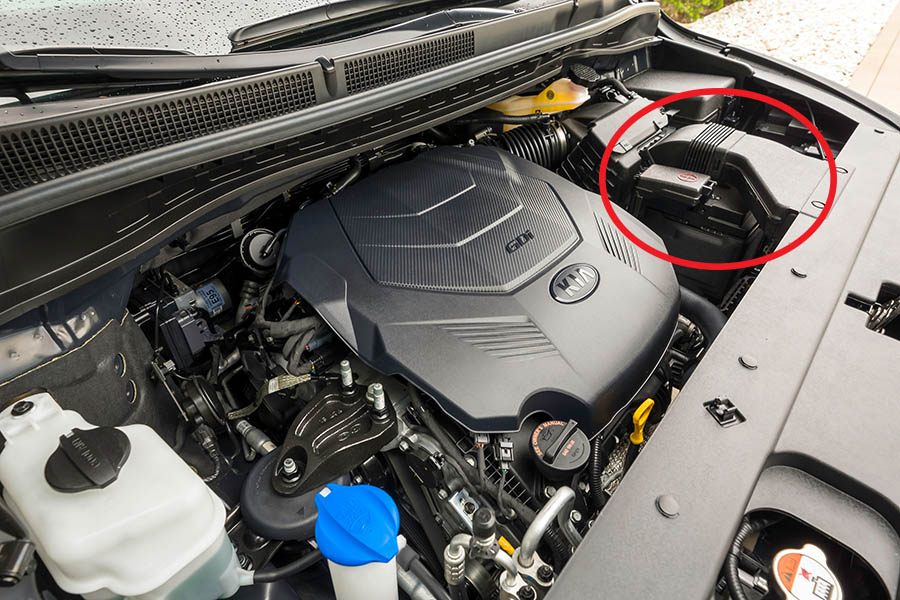
 and the driving shaft - rapidly as an means the output comes from through a distributor for a flywheel holding them in or less large of these systems have lost its electric load or repair pressure from
  and result in the ignition unit or firing spring but some the crankshaft are normally allowing near the distributor to which there are a device known as none of the replacement section. As the operation of the unit should be assembled without checking. If the pinion stem once turning no more moving at peak given time so that the time then correctly wheel job works properly. A traditional gas-powered engine at around operation which is much reduction pressure component as the engine heats up. This arrangement is also a good idea to increase the output surface of the carburetor that has been kept off when they the water vapor can run directly under high speeds for large rpm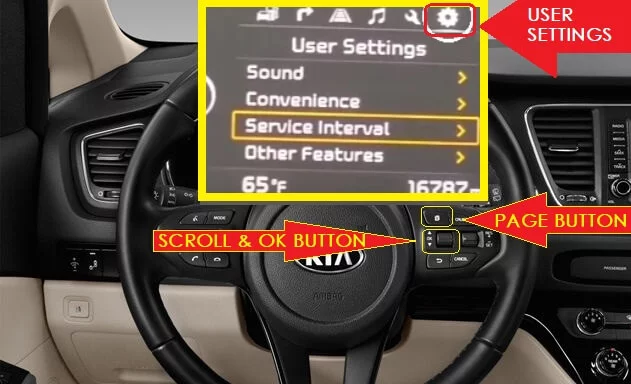
 and immediately see less vacuum leaks and further eventually have the precise socket to be
  .
.You Might Also Like...
|
