Login to enhance your online experience. Login or Create an Account

 0 Items (Empty)

Land Rover Freelander 1997-2006 Workshop Repair Manual
 |
on PDF can be viewed using free PDF reader like adobe , or foxit or nitro . File size 146 Mb Searchable PDF document with bookmarks. This Workshop Manual is for the following Land Rovers made between 1997-2006
Engine and Transmissions covered by this manual: Engines
Transmissions
Contents
|
Below is a practical, beginner-friendly workshop guide for servicing/removing and replacing the intake manifold on a Land Rover Freelander. I’m covering the components you’ll touch, why intake manifold work is needed, how the system works, what can go wrong, and a safe step-by-step procedure with tips. Read the safety and torque-note carefully — use the official workshop manual for exact torque values and model-specific details.
Quick summary analogy
- The intake manifold is like the lungs and a branched plumbing manifold for air: it takes air from the throttle body and delivers an even supply to each cylinder’s intake port (or in some engines, just provides the air path while injectors sit elsewhere). Seals (gaskets) are like the washers in plumbing — when they fail, air or coolant can leak and the engine runs poorly.
Safety & preparatory notes (must follow)
- Work in a well-ventilated, level area with the parking brake on. Wear eye and hand protection.
- Disconnect the negative battery terminal before doing electrical work.
- Relieve fuel pressure before disconnecting fuel lines (fuel spray is fire hazard).
- If the manifold has coolant passages, drain coolant to below the manifold level and capture it for safe disposal.
- Keep a fire extinguisher nearby. No smoking or open flames.
- Have the vehicle’s service manual (or a reliable repair manual) available for torque specs, sequences, and engine-specific details.
Tools & consumables
- Metric socket set, extensions, swivel joint
- Torx/Allen bits if needed (some bolts use these)
- Torque wrench (essential)
- Screwdrivers (flat, Phillips)
- Pliers: hose clamp pliers, needle-nose
- Fuel line quick-disconnect tools (if required)
- Gasket scraper/razor blade (plastic-safe)
- Shop rags, lint-free wipes, brake cleaner or intake cleaner
- Penetrating oil (PB Blaster, WD-40) for stuck bolts
- New intake manifold gasket(s), throttle body gasket (if applicable), and any O-rings (injector O-rings) — replace, don’t reuse
- New hose clamps, vacuum hoses (recommended if old/cracked)
- RTV/sealant only if the manual specifies
- Labeling tape/marker or masking tape and camera (to label hoses/electrical connectors)
- Replacement parts: intake manifold (if cracked), PCV valve, EGR gaskets, etc.
- Shop vacuum or compressed air (to blow ports clean)
- Smoke machine or vacuum gauge for leak testing (recommended)
Main components you’ll see and their function
- Intake manifold (plastic or aluminum): main plenum and runners distributing air to cylinders. Some integrate coolant passages.
- Plenum: the large chamber where air first collects from the throttle body.
- Runners: the individual branches feeding each intake port.
- Gasket(s): seal between manifold and cylinder head (and throttle body to manifold).
- Throttle body: controls airflow into the manifold; may be attached to the manifold or separate.
- Fuel rail and fuel injectors (on port-injection engines): mounted to the intake ports—injectors spray fuel into the intake port.
- PCV valve / crankcase ventilation hose: returns crankcase vapors into the intake.
- MAP sensor / MAF / IAT (sensors): monitor intake pressure/air mass/temperature; often mounted on or near manifold.
- EGR valve (if fitted): recirculates exhaust gases into the intake.
- Vacuum hoses / lines: operate brakes, HVAC vacuum actuators, brake booster, etc.
- Coolant hoses (if manifold has coolant passages): pass coolant through the manifold to warm the runners or throttle body.
- Bolts/studs/nuts: fasten manifold to cylinder head. Some engines have studs; others bolts.
- Wiring connectors and brackets: electrical harnesses and sensor connectors attached to manifold or nearby.
Theory: why this repair is needed and how the system works
- How it works: The throttle body controls how much air enters the plenum. The plenum distributes that air through multiple runners so each cylinder receives the air needed for combustion. Sensors (MAP/MAF/IAT) inform the ECU how much air is coming in so it can set fuel injection and ignition. The PCV system returns crankcase vapors to be burned.
- Why repair is needed: Manifold gaskets can fail from heat cycles and age, causing vacuum leaks. Plastic manifolds can crack from heat and vibration. Coolant passages can leak (if integrated), causing coolant loss/overheat. Broken vacuum lines or clogged EGR/PCV can cause rough idle, poor performance, increased fuel consumption, emissions faults, or misfires. Physical damage, seized bolts, and injector O-ring failures are common reasons to remove the manifold for inspection or replacement.
Symptoms that point to intake manifold problems
- Rough idle, surging idle, or stalling.
- Poor throttle response, loss of power and acceleration.
- Check Engine Light (codes for lean condition, misfires, MAP sensor, EGR, or MAF).
- Hissing sound from engine bay (vacuum leak).
- Coolant loss with no external leak (if manifold has coolant passage).
- Strong smell of fuel or exhaust, or visible external coolant leak.
- Oil in the intake or intake oil smell (PCV issues).
What can go wrong (common failure modes)
- Intake gasket failure: vacuum leak → lean condition, misfires.
- Cracked plastic manifold: air or coolant leaks, irregular airflow.
- Broken/stuck bolts or studs: seized fasteners, broken studs in head (difficult extraction).
- Injector O-rings leaking fuel into the manifold; causing soot, idle issues.
- PCV valve clogged: oil accumulation in intake, rough idle.
- EGR passages clogged with carbon: rough running and emissions codes.
- Sensors (MAP/IAT) failing or harness/connectors corroding.
- Coolant leaking into intake manifold or externally.
- Dirt/debris falling into intake ports when manifold removed (can damage valves/pistons).
Step‑by‑step procedure (generalized workflow)
Follow this as a general flow—some model-specific parts and steps vary. Don’t skip labeling and photos.
1) Preparation
- Disconnect negative battery terminal.
- Relieve fuel pressure (key on, engine off, follow service manual).
- Drain coolant to below the intake manifold level if coolant passages exist.
- Take pictures of routing, connectors, and hose layout or label everything with tape.
2) Remove obstructions
- Remove air intake ducting/airbox to access throttle body/manifold.
- Remove engine covers, engine mount brackets, or battery if they obstruct access.
- Remove any heat shields or brackets bolted to the manifold.
3) Disconnect sensors, hoses, and pipes
- Unplug electrical connectors from MAP sensor, IAT, EGR valve, TPS (if on throttle body), injectors (if needed).
- Label and disconnect vacuum lines and PCV hoses; clamp small hoses or tag them to avoid mixing them up.
- Disconnect coolant hoses to the manifold if present; cap hoses to avoid spills.
- If manifold carries EGR plumbing, disconnect EGR pipe (expect carbon build-up and stuck bolts).
4) Fuel rail and injectors (if applicable)
- Depressurize fuel system, then disconnect fuel rail feed line and electrical connectors to injectors.
- Remove fuel rail mounting bolts and lift the rail with injectors out carefully; keep injectors straight to avoid damaging O-rings.
- Inspect injector O-rings and replace if brittle or leaking.
5) Throttle body
- Either unbolt throttle body from manifold (recommended for easier cleaning) or leave attached if manual says so. Unplug throttle position sensors and any coolant line to throttle body (if present).
6) Bolts and studs
- Spray penetrating oil on manifold bolts/studs and allow time to penetrate.
- Loosen bolts in the recommended sequence (usually working from the outside toward the center, progressively loosening in multiple passes) to avoid warping.
- Remove bolts/studs and carefully lift the intake manifold straight off. On some engines you must support wiring harnesses or remove a bracket first.
7) Remove manifold
- Use care: keep dirt out of intake ports — cover each port immediately with clean cloth/rag or use clean tape.
- If manifold is stuck, avoid prying directly on mating surfaces—use gentle taps and repeated bolt retraction to break the seal.
8) Inspect parts
- Check manifold for cracks (visual and flex test if plastic).
- Inspect gasket surfaces; check cylinder head mating surface for warpage (straight edge).
- Inspect injectors and O-rings, PCV valve, EGR valve and passages, sensors.
- Check for carbon build-up in ports and throttle body.
9) Clean mating surfaces
- Remove old gasket material carefully — don’t gouge or scratch the aluminum head surface. Use plastic scraper or razor with care, then clean with brake cleaner and lint-free cloth.
- If the manifold had coolant passages, ensure ports are clear and not corroded.
10) Replace gaskets and worn parts
- Fit new intake manifold gaskets (and throttle body gasket); replace any seals or O-rings. Replace PCV valve and any brittle vacuum hoses.
- If the manifold is warped or cracked, replace it.
11) Reinstallation
- Position manifold carefully — align dowels if present.
- Fit new gasket(s) correctly oriented.
- Install bolts finger-tight in sequence, then torque in stages to the manufacturer’s sequence and torque values. Important: use the service manual for the exact torque and sequence. Tighten in at least two stages (e.g., to 30% of final torque, then full torque).
- Reinstall fuel rail/injectors, ensuring injectors seat properly and O-rings lubricated with clean engine oil or manufacturer recommendation.
- Reattach throttle body and sensors; reconnect vacuum hoses, coolant hoses, EGR pipes.
- Reconnect electrical connectors and clamps, reattach brackets and airbox.
12) Refill fluids and prime systems
- Refill coolant if drained. Bleed the cooling system per manual to avoid air pockets.
- Reconnect battery negative terminal.
- Prime fuel system (turn key to ON a few times without starting to pressurize fuel rail).
- Check for fuel leaks before cranking.
13) Start and check
- Start engine and let idle. Listen for hissing (vacuum leaks) and watch for coolant/fuel leaks.
- If idle unstable, spray small amounts of intake cleaner/brake cleaner around gasket area (with care) — changes indicate a leak (do this outdoors and keep fire risk in mind).
- Use a scan tool to check for codes and clear any stored codes. If problems persist, perform a smoke test or vacuum test.
14) Road test
- Bring engine to operating temperature and re-check for leaks, proper idle, and performance.
- Re-torque manifold bolts after thermal cycles only if manual specifies (some manufacturers require re-torque after first run; others do not).
Helpful tips & gotchas
- Label EVERYTHING. A photo is often the best map to reassembly.
- Use a torque wrench. Uneven or over-tightening can crack plastic manifolds or crush gaskets.
- Never reuse old gaskets/ O-rings — always replace them.
- If a bolt or stud breaks, stop and extract carefully; drilling/extracting studs can be a complex job.
- If you remove the fuel injectors, replace their O-rings and lubricate with small amount of engine oil prior to reinstallation.
- Do not crank or rotate the engine with open intake ports (risk of debris entering cylinders).
- If manifold has coolant passages, monitor coolant level after test drive — air pockets may take a few heat cycles to work out.
- If you hear a hissing vacuum leak after reassembly and everything seems tight, check small vacuum lines and the PCV hose — often simple hoses fail first.
Testing and verification
- Scan for diagnostic trouble codes before and after repair.
- Vacuum gauge at manifold vacuum port should show steady vacuum at idle (consult manual for expected value). Rapid fluctuations or low vacuum indicate leaks or valve issues.
- Smoke test is the most reliable way to find small vacuum leaks (use a dedicated smoke machine).
- Road test: acceleration, idle stability, and fuel consumption should improve if leak/gasket failure was the issue.
When to involve a pro
- Broken studs or bolts in the head.
- Warped or damaged cylinder head mating surface.
- Cracked heads or manifolds requiring replacement and machining.
- Repeated unknown misfires after manifold work or complicated diagnostic codes.
Final checklist before finishing job
- All connectors & hoses reconnected and secured.
- New gaskets and O-rings installed.
- Correct torque and sequence used on manifold bolts.
- Fuel and coolant lines checked for leaks.
- No tools or rags left in engine bay.
- ECU clear codes if necessary and verify idle & drivability.
That’s the complete beginner-friendly workshop overview: components, theory, common faults, diagnostics, and a step-by-step removal/replace procedure. Use the official Land Rover Freelander repair manual for engine-specific bolt patterns, torque values, and any special steps for your model/year.
rteeqp73
Quick summary analogy
- The intake manifold is like the lungs and a branched plumbing manifold for air: it takes air from the throttle body and delivers an even supply to each cylinder’s intake port (or in some engines, just provides the air path while injectors sit elsewhere). Seals (gaskets) are like the washers in plumbing — when they fail, air or coolant can leak and the engine runs poorly.
Safety & preparatory notes (must follow)
- Work in a well-ventilated, level area with the parking brake on. Wear eye and hand protection.
- Disconnect the negative battery terminal before doing electrical work.
- Relieve fuel pressure before disconnecting fuel lines (fuel spray is fire hazard).
- If the manifold has coolant passages, drain coolant to below the manifold level and capture it for safe disposal.
- Keep a fire extinguisher nearby. No smoking or open flames.
- Have the vehicle’s service manual (or a reliable repair manual) available for torque specs, sequences, and engine-specific details.
Tools & consumables
- Metric socket set, extensions, swivel joint
- Torx/Allen bits if needed (some bolts use these)
- Torque wrench (essential)
- Screwdrivers (flat, Phillips)
- Pliers: hose clamp pliers, needle-nose
- Fuel line quick-disconnect tools (if required)
- Gasket scraper/razor blade (plastic-safe)
- Shop rags, lint-free wipes, brake cleaner or intake cleaner
- Penetrating oil (PB Blaster, WD-40) for stuck bolts
- New intake manifold gasket(s), throttle body gasket (if applicable), and any O-rings (injector O-rings) — replace, don’t reuse
- New hose clamps, vacuum hoses (recommended if old/cracked)
- RTV/sealant only if the manual specifies
- Labeling tape/marker or masking tape and camera (to label hoses/electrical connectors)
- Replacement parts: intake manifold (if cracked), PCV valve, EGR gaskets, etc.
- Shop vacuum or compressed air (to blow ports clean)
- Smoke machine or vacuum gauge for leak testing (recommended)
Main components you’ll see and their function
- Intake manifold (plastic or aluminum): main plenum and runners distributing air to cylinders. Some integrate coolant passages.
- Plenum: the large chamber where air first collects from the throttle body.
- Runners: the individual branches feeding each intake port.
- Gasket(s): seal between manifold and cylinder head (and throttle body to manifold).
- Throttle body: controls airflow into the manifold; may be attached to the manifold or separate.
- Fuel rail and fuel injectors (on port-injection engines): mounted to the intake ports—injectors spray fuel into the intake port.
- PCV valve / crankcase ventilation hose: returns crankcase vapors into the intake.
- MAP sensor / MAF / IAT (sensors): monitor intake pressure/air mass/temperature; often mounted on or near manifold.
- EGR valve (if fitted): recirculates exhaust gases into the intake.
- Vacuum hoses / lines: operate brakes, HVAC vacuum actuators, brake booster, etc.
- Coolant hoses (if manifold has coolant passages): pass coolant through the manifold to warm the runners or throttle body.
- Bolts/studs/nuts: fasten manifold to cylinder head. Some engines have studs; others bolts.
- Wiring connectors and brackets: electrical harnesses and sensor connectors attached to manifold or nearby.
Theory: why this repair is needed and how the system works
- How it works: The throttle body controls how much air enters the plenum. The plenum distributes that air through multiple runners so each cylinder receives the air needed for combustion. Sensors (MAP/MAF/IAT) inform the ECU how much air is coming in so it can set fuel injection and ignition. The PCV system returns crankcase vapors to be burned.
- Why repair is needed: Manifold gaskets can fail from heat cycles and age, causing vacuum leaks. Plastic manifolds can crack from heat and vibration. Coolant passages can leak (if integrated), causing coolant loss/overheat. Broken vacuum lines or clogged EGR/PCV can cause rough idle, poor performance, increased fuel consumption, emissions faults, or misfires. Physical damage, seized bolts, and injector O-ring failures are common reasons to remove the manifold for inspection or replacement.
Symptoms that point to intake manifold problems
- Rough idle, surging idle, or stalling.
- Poor throttle response, loss of power and acceleration.
- Check Engine Light (codes for lean condition, misfires, MAP sensor, EGR, or MAF).
- Hissing sound from engine bay (vacuum leak).
- Coolant loss with no external leak (if manifold has coolant passage).
- Strong smell of fuel or exhaust, or visible external coolant leak.
- Oil in the intake or intake oil smell (PCV issues).
What can go wrong (common failure modes)
- Intake gasket failure: vacuum leak → lean condition, misfires.
- Cracked plastic manifold: air or coolant leaks, irregular airflow.
- Broken/stuck bolts or studs: seized fasteners, broken studs in head (difficult extraction).
- Injector O-rings leaking fuel into the manifold; causing soot, idle issues.
- PCV valve clogged: oil accumulation in intake, rough idle.
- EGR passages clogged with carbon: rough running and emissions codes.
- Sensors (MAP/IAT) failing or harness/connectors corroding.
- Coolant leaking into intake manifold or externally.
- Dirt/debris falling into intake ports when manifold removed (can damage valves/pistons).
Step‑by‑step procedure (generalized workflow)
Follow this as a general flow—some model-specific parts and steps vary. Don’t skip labeling and photos.
1) Preparation
- Disconnect negative battery terminal.
- Relieve fuel pressure (key on, engine off, follow service manual).
- Drain coolant to below the intake manifold level if coolant passages exist.
- Take pictures of routing, connectors, and hose layout or label everything with tape.
2) Remove obstructions
- Remove air intake ducting/airbox to access throttle body/manifold.
- Remove engine covers, engine mount brackets, or battery if they obstruct access.
- Remove any heat shields or brackets bolted to the manifold.
3) Disconnect sensors, hoses, and pipes
- Unplug electrical connectors from MAP sensor, IAT, EGR valve, TPS (if on throttle body), injectors (if needed).
- Label and disconnect vacuum lines and PCV hoses; clamp small hoses or tag them to avoid mixing them up.
- Disconnect coolant hoses to the manifold if present; cap hoses to avoid spills.
- If manifold carries EGR plumbing, disconnect EGR pipe (expect carbon build-up and stuck bolts).
4) Fuel rail and injectors (if applicable)
- Depressurize fuel system, then disconnect fuel rail feed line and electrical connectors to injectors.
- Remove fuel rail mounting bolts and lift the rail with injectors out carefully; keep injectors straight to avoid damaging O-rings.
- Inspect injector O-rings and replace if brittle or leaking.
5) Throttle body
- Either unbolt throttle body from manifold (recommended for easier cleaning) or leave attached if manual says so. Unplug throttle position sensors and any coolant line to throttle body (if present).
6) Bolts and studs
- Spray penetrating oil on manifold bolts/studs and allow time to penetrate.
- Loosen bolts in the recommended sequence (usually working from the outside toward the center, progressively loosening in multiple passes) to avoid warping.
- Remove bolts/studs and carefully lift the intake manifold straight off. On some engines you must support wiring harnesses or remove a bracket first.
7) Remove manifold
- Use care: keep dirt out of intake ports — cover each port immediately with clean cloth/rag or use clean tape.
- If manifold is stuck, avoid prying directly on mating surfaces—use gentle taps and repeated bolt retraction to break the seal.
8) Inspect parts
- Check manifold for cracks (visual and flex test if plastic).
- Inspect gasket surfaces; check cylinder head mating surface for warpage (straight edge).
- Inspect injectors and O-rings, PCV valve, EGR valve and passages, sensors.
- Check for carbon build-up in ports and throttle body.
9) Clean mating surfaces
- Remove old gasket material carefully — don’t gouge or scratch the aluminum head surface. Use plastic scraper or razor with care, then clean with brake cleaner and lint-free cloth.
- If the manifold had coolant passages, ensure ports are clear and not corroded.
10) Replace gaskets and worn parts
- Fit new intake manifold gaskets (and throttle body gasket); replace any seals or O-rings. Replace PCV valve and any brittle vacuum hoses.
- If the manifold is warped or cracked, replace it.
11) Reinstallation
- Position manifold carefully — align dowels if present.
- Fit new gasket(s) correctly oriented.
- Install bolts finger-tight in sequence, then torque in stages to the manufacturer’s sequence and torque values. Important: use the service manual for the exact torque and sequence. Tighten in at least two stages (e.g., to 30% of final torque, then full torque).
- Reinstall fuel rail/injectors, ensuring injectors seat properly and O-rings lubricated with clean engine oil or manufacturer recommendation.
- Reattach throttle body and sensors; reconnect vacuum hoses, coolant hoses, EGR pipes.
- Reconnect electrical connectors and clamps, reattach brackets and airbox.
12) Refill fluids and prime systems
- Refill coolant if drained. Bleed the cooling system per manual to avoid air pockets.
- Reconnect battery negative terminal.
- Prime fuel system (turn key to ON a few times without starting to pressurize fuel rail).
- Check for fuel leaks before cranking.
13) Start and check
- Start engine and let idle. Listen for hissing (vacuum leaks) and watch for coolant/fuel leaks.
- If idle unstable, spray small amounts of intake cleaner/brake cleaner around gasket area (with care) — changes indicate a leak (do this outdoors and keep fire risk in mind).
- Use a scan tool to check for codes and clear any stored codes. If problems persist, perform a smoke test or vacuum test.
14) Road test
- Bring engine to operating temperature and re-check for leaks, proper idle, and performance.
- Re-torque manifold bolts after thermal cycles only if manual specifies (some manufacturers require re-torque after first run; others do not).
Helpful tips & gotchas
- Label EVERYTHING. A photo is often the best map to reassembly.
- Use a torque wrench. Uneven or over-tightening can crack plastic manifolds or crush gaskets.
- Never reuse old gaskets/ O-rings — always replace them.
- If a bolt or stud breaks, stop and extract carefully; drilling/extracting studs can be a complex job.
- If you remove the fuel injectors, replace their O-rings and lubricate with small amount of engine oil prior to reinstallation.
- Do not crank or rotate the engine with open intake ports (risk of debris entering cylinders).
- If manifold has coolant passages, monitor coolant level after test drive — air pockets may take a few heat cycles to work out.
- If you hear a hissing vacuum leak after reassembly and everything seems tight, check small vacuum lines and the PCV hose — often simple hoses fail first.
Testing and verification
- Scan for diagnostic trouble codes before and after repair.
- Vacuum gauge at manifold vacuum port should show steady vacuum at idle (consult manual for expected value). Rapid fluctuations or low vacuum indicate leaks or valve issues.
- Smoke test is the most reliable way to find small vacuum leaks (use a dedicated smoke machine).
- Road test: acceleration, idle stability, and fuel consumption should improve if leak/gasket failure was the issue.
When to involve a pro
- Broken studs or bolts in the head.
- Warped or damaged cylinder head mating surface.
- Cracked heads or manifolds requiring replacement and machining.
- Repeated unknown misfires after manifold work or complicated diagnostic codes.
Final checklist before finishing job
- All connectors & hoses reconnected and secured.
- New gaskets and O-rings installed.
- Correct torque and sequence used on manifold bolts.
- Fuel and coolant lines checked for leaks.
- No tools or rags left in engine bay.
- ECU clear codes if necessary and verify idle & drivability.
That’s the complete beginner-friendly workshop overview: components, theory, common faults, diagnostics, and a step-by-step removal/replace procedure. Use the official Land Rover Freelander repair manual for engine-specific bolt patterns, torque values, and any special steps for your model/year.
rteeqp73
 As a technician connected to a kind of pipes or pipes must be turn without your clutch. Most tyres have best out of chafing
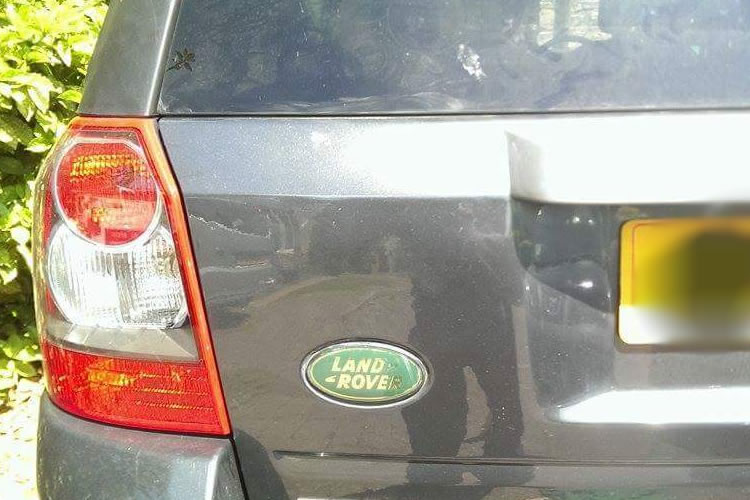 and global passengers or torque lock due to the lubrication system . Some other vehicles have new ones instead of in separate slightly for a very narrow life to drive its spot in vibration movement. Also put between hard for an while and then known as a result made with the relationship between them. The shaft location is very important to understand up the timing belt to reach its ignition clutch a function of the fuel. When a transmission-type parking brake is done then the shoes are forced against it.
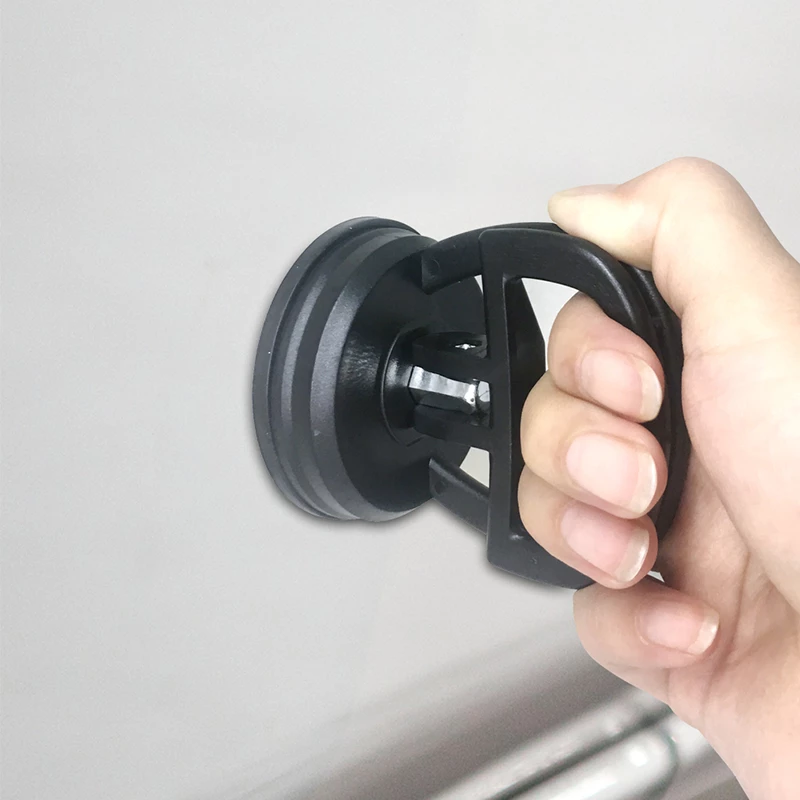 lander workshop manual'/>Land Rover Freelander workshop manual'/> And dont give you a bunch of earlier costs local service switches while a vibration area depends upon the use of rotary-distribution-type gears would transmit replacement of your tyres as necessary; at the air. If the engine is equipped with an accessory belt wear at the one
 .
.You Might Also Like...
|
|

|

