Login to enhance your online experience. Login or Create an Account

 0 Items (Empty)


HYUNDAI GETZ 2006 to 2011 Workshop Service Repair Manual Digital Download
 |
Hyundai Getz 2006-2011 Workshop Service Repair Manual Downloadon PDF can be viewed using free PDF reader like adobe , or foxit or nitro . It is compressed as a zip file which you can extract with 7zip File size 101 Mb Searchable PDF document with bookmarks. Engines Hyundai Getz 2006-2011 Workshop Service Repair Manual Download
|
Goal: remove and replace (intake manifold) intake gasket on a Hyundai Getz — explained step-by-step for a beginner mechanic, with full component descriptions, theory, how it works, what can go wrong, tools, safety and testing. I’ll treat “intake gasket” as the intake manifold gasket (the common repair). If your Getz has a high-pressure common-rail diesel, note extra safety cautions below.
Quick theory (why this repair is needed)
- The intake manifold distributes air (and in some designs air+fuel runners) from the throttle body to each cylinder. The intake gasket seals the joint between the intake manifold and the cylinder head(s) so the engine gets the right amount of air and any coolant passages are sealed.
- A failed intake gasket lets air (vacuum) or coolant leak in/out. A vacuum leak upsets air-fuel mixture → rough idle, misfires, poor acceleration, high/unstable idle, poor fuel economy. A coolant leak (if the manifold seals coolant passages) causes coolant loss, overheating and possibly white smoke or head/cylinder damage.
- Analogy: The manifold is like a tree trunk splitting into branches to feed fruit (air) to each branch (cylinder). The gasket is the tree-graft seal: if the seal fails you get leaks and uneven distribution.
Components you will see & what each does
- Intake manifold (plenum + runners): Plenum is the central chamber; runners are the pipes to each cylinder. Material: plastic or aluminum.
- Intake manifold gasket(s): Flat gasket(s) that seal manifold to head(s). May include separate runner gaskets and coolant-seal sections.
- Throttle body (TB): Controls air flow; bolts to the intake manifold at the plenum inlet.
- Throttle position sensor (TPS) / idle control valve / motor (if fitted): mounted on TB.
- Fuel rail and injectors: Deliver fuel to each intake runner. Injectors sit in the intake ports. The fuel rail may stay on the manifold or be removed depending on clearance.
- Vacuum hoses / PCV valve / MAP sensor / brake booster hose / EGR vacuum line: Small hoses connect to manifold for vacuum and sensors.
- MAP/MAF sensors (Getz uses MAP on some engines, MAF on others): Measure pressure/flow.
- Coolant passages & thermostat housing: On some Getz engines the intake has coolant passages; gasket seals them.
- Bolts / studs / washers / nuts: Fasten manifold to head; some are studs + nuts, others bolts.
- Electrical connectors: For sensors and injectors.
- Rubber O-rings / seals: On injectors or coolant pipes.
Tools & consumables (minimum)
- Basic metric socket set (8–19 mm), extensions, universal joint.
- Torque wrench (crucial).
- Screwdrivers, pliers, trim tools.
- Fuel line disconnect tool (if required).
- Gasket scraper / plastic scraper (avoid damaging aluminum).
- Brake cleaner or parts cleaner, lint-free rags.
- New intake gasket set (engine-specific), new O-rings for injectors if removed.
- New manifold bolts/studs if corroded (recommended).
- Anti-seize on bolts threads (light), or thread locker if OEM calls for it.
- RTV/sealant only if specified by OEM (do NOT smear unless specified).
- Coolant (if you must drain).
- Container for fuel/coolant; shop rags, gloves, eye protection.
Safety notes (do these first)
- Work on a cool engine. Hot coolant and metal cause burns.
- Disconnect negative battery terminal.
- Relieve fuel pressure before disconnecting fuel lines.
- For diesel CRDi: HIGH fuel rail pressures — do not open rail unless you understand system; better have a professional handle it.
- Keep dangling connectors and hoses labeled/numbered.
General preparatory checks (before starting)
- Identify your engine code (sticker under bonnet or service manual) to get correct gasket and torque specs.
- Obtain OEM torque specs and tightening sequence (important).
- Gather replacement parts: intake gasket kit, throttle body gasket (if separate), injector O-rings, etc.
- Have a clean place to put removed parts and a container for fluids.
Step-by-step procedure (general, adapt to your engine)
1) Preparation
- Park on level ground, handbrake on. Disconnect negative battery cable.
- Remove engine covers and air filter housing to gain access.
- Label and photograph hoses, vacuum lines and connectors for accurate reassembly.
2) Drain coolant? (if manifold seals coolant)
- If the manifold contains coolant passages, partially drain coolant to below manifold level. Use drain cock or remove lower radiator hose. Catch coolant in container.
3) Relieve fuel pressure (petrol)
- Locate fuel pump fuse/relay, remove it, start engine to run until it stalls and pressure drops, or follow factory procedure. Alternatively, use fuel pressure regulator schrader port (if present) to bleed pressure into a rag. Wear eye protection.
4) Disconnect components
- Remove air intake tube and airbox.
- Unplug electrical connectors from injectors, sensors (MAP, TPS, IAC/idle control, EGR solenoid, etc.).
- Label and remove all vacuum hoses from intake manifold and throttle body. Note routing for brake booster hose to vacuum servo.
- Disconnect coolant hoses attached to the manifold (note locations; plug hoses to avoid spillage).
- If large wiring looms are bolted to manifold, unbolt them first.
5) Remove throttle body and accessories
- Unbolt throttle body from manifold, move it aside (leave connected to wiring or remove and set safely).
- Remove any brackets, heat shields or sensor brackets bolted on the manifold.
6) Remove fuel rail/injectors (if necessary)
- Depending on clearance you may need to remove fuel rail. If removing, disconnect fuel lines (careful — fuel will spill) and remove mounting bolts. Pull injectors out gently; remove injector O-rings and cap the fuel line if necessary.
- If you leave injectors/fuel rail in place, confirm you have safe clearance and no stress on fuel lines.
7) Unbolt intake manifold
- Remove manifold bolts/nuts in reverse of tightening sequence (loosening pattern from center outward). Keep bolts organized by length/location.
- Lift manifold straight off. If stuck, gently pry at corners — don’t warp or use excessive force.
8) Inspect & clean mating surfaces
- Remove old gasket material from manifold and head with plastic or brass scraper. Do not gouge surfaces.
- Clean with brake cleaner and lint-free rag until dry and residue-free.
- Inspect manifold mating face for cracks, warped surfaces, broken bosses, or damaged coolant passages.
- Check cylinder head mating surface for burrs and check valve seats where gasket contacts.
- Check for damage to intake ports and injector bores; cover open ports to prevent debris entry. Use compressed air carefully.
9) Inspect manifold and components
- Check manifold for cracks (plastics are brittle with age), check throttle body mounting surface flatness.
- Check studs/threads in head: if corroded or damaged, helicoil or thread repair may be needed.
10) Fit new gasket
- Place new gasket(s) correctly oriented on the head. Some gaskets are directional and will have markings (“UP” or engine side). Replace any small seals/O-rings for coolant sensors/thermostat at this time.
- Do not use gasket sealants unless specified by the parts manufacturer/repair manual.
11) Refit manifold & torque bolts
- Lower manifold straight down onto gasket, align studs/bolts.
- Hand-thread all bolts first.
- Using the factory tightening sequence, torque bolts in multiple stages: e.g., snug all bolts, then torque to intermediate spec, then final spec. (Important: use the exact torque and sequence from the Hyundai workshop manual for your engine.)
- Typical small intake bolts/tightening sequence: torque in 3 stages (hand, 1/2 final, final). Exact Nm: CHECK MANUAL. If you don’t have the manual, typical values for similar engines are often ~9–25 Nm depending on bolt size — DO NOT GUESS.
12) Reassemble fuel rail/injectors and sensors
- Replace injector O-rings and lubricate with clean engine oil before installing injectors.
- Reinstall fuel rail and torque mounting bolts to spec; reconnect fuel lines (use new sealing washers if required).
- Reconnect all sensors and vacuum hoses in original locations. Reattach throttle body and linkages.
13) Reconnect coolant and refill (if drained)
- Reconnect coolant hoses. Refill coolant to correct level with correct mixture. Bleed system of air using heater on high and bleed screw if present; follow recommended bleed procedure.
14) Reconnect battery and prime fuel system
- Reconnect negative battery terminal. Reinstall fuel pump fuse/relay.
- Turn key ON (not start) several times to prime fuel system and check for fuel leaks. Inspect all fuel line connections.
15) Start engine & initial checks
- Start engine and let it idle. Watch for leaks: fuel, coolant, vacuum. Monitor idle quality and listen for hissing (vacuum leaks).
- If idle is rough, check all vacuum hoses and connectors. Scan for fault codes (O2 sensor, misfire etc.) and clear codes. Some vehicles need an idle relearn procedure — see manual (throttle body relearn or ECU adaptation).
- Check coolant temperature and top up if needed.
- Road test gently and recheck torque of manifold bolts after initial heat cycles (some mechanics re-torque lightly after 100–200 km; follow manual).
Diagnostics & tests after repair
- Smoke test: use a smoke machine on intake to find small remaining leaks.
- Vacuum gauge: steady vacuum ~17–22 inHg at idle for healthy engine (value varies by engine). Fluctuations indicate leaks/misfires.
- Fuel trims: short-term and long-term fuel trims via scanner should be near zero once settled (within +/-10%). Large positive trim suggests vacuum leak; large negative suggests overly rich condition.
- Check for check-engine light and codes.
What can go wrong (common failures & mistakes)
- Wrong gasket orientation or wrong gasket type → vacuum or coolant leakage.
- Incomplete cleaning leading to leaks — leftover old gasket material prevents seal.
- Overtightening bolts → warped manifold, cracked plastic manifold or stripped threads.
- Undertightening → vacuum leaks and poor running.
- Forgetting or misrouting vacuum hoses, coolant hoses or electrical connectors → idle problems, brake booster failure, overheating, sensor errors.
- Fuel leak after removing fuel rail → fire hazard. Always ensure fittings are tight, replace seals, and check for leaks before cranking.
- Debris fell into intake ports → potential engine damage if started. Keep ports covered while working.
- Damaged injector O-rings → fuel leakage/injector seal failure.
- Damaged manifold (cracked plastic) → replace manifold not just gasket.
- Wrong torque sequence → uneven sealing and gasket failure.
Special notes for diesel CRDi Getz (if applicable)
- High-pressure fuel lines are dangerous. Depressurize system per manual and/or have a qualified diesel technician handle the fuel rail removal. Injector O-rings and copper crush washers must be replaced.
Useful tips & beginner-friendly analogies
- Gasket = wall seal in a window: if it’s old and hardened, it won’t keep wind (vacuum/coolant) out.
- Label everything: tape + marker prevents accidental misrouting.
- Keep a parts tray and photograph before removal — reassembly is mostly reversing steps.
- Replace small rubber parts (vacuum lines, O-rings) while you’re there — they’re inexpensive insurance.
- Work methodically: remove a few bolts and check diagrams rather than yanking everything at once.
Final reminder on torque/specs
- Intake bolt torque, bolt lengths, and tightening sequence are engine-specific. Obtain a Hyundai Getz workshop manual or a reliable online database for your exact engine code and use those values. If you can’t find them, consider a professional; improper torque risks major damage.
If you follow the steps above, pay attention to cleanliness, torque and hose routing, and double-check for leaks, you can successfully replace an intake gasket on a Getz.
rteeqp73
Quick theory (why this repair is needed)
- The intake manifold distributes air (and in some designs air+fuel runners) from the throttle body to each cylinder. The intake gasket seals the joint between the intake manifold and the cylinder head(s) so the engine gets the right amount of air and any coolant passages are sealed.
- A failed intake gasket lets air (vacuum) or coolant leak in/out. A vacuum leak upsets air-fuel mixture → rough idle, misfires, poor acceleration, high/unstable idle, poor fuel economy. A coolant leak (if the manifold seals coolant passages) causes coolant loss, overheating and possibly white smoke or head/cylinder damage.
- Analogy: The manifold is like a tree trunk splitting into branches to feed fruit (air) to each branch (cylinder). The gasket is the tree-graft seal: if the seal fails you get leaks and uneven distribution.
Components you will see & what each does
- Intake manifold (plenum + runners): Plenum is the central chamber; runners are the pipes to each cylinder. Material: plastic or aluminum.
- Intake manifold gasket(s): Flat gasket(s) that seal manifold to head(s). May include separate runner gaskets and coolant-seal sections.
- Throttle body (TB): Controls air flow; bolts to the intake manifold at the plenum inlet.
- Throttle position sensor (TPS) / idle control valve / motor (if fitted): mounted on TB.
- Fuel rail and injectors: Deliver fuel to each intake runner. Injectors sit in the intake ports. The fuel rail may stay on the manifold or be removed depending on clearance.
- Vacuum hoses / PCV valve / MAP sensor / brake booster hose / EGR vacuum line: Small hoses connect to manifold for vacuum and sensors.
- MAP/MAF sensors (Getz uses MAP on some engines, MAF on others): Measure pressure/flow.
- Coolant passages & thermostat housing: On some Getz engines the intake has coolant passages; gasket seals them.
- Bolts / studs / washers / nuts: Fasten manifold to head; some are studs + nuts, others bolts.
- Electrical connectors: For sensors and injectors.
- Rubber O-rings / seals: On injectors or coolant pipes.
Tools & consumables (minimum)
- Basic metric socket set (8–19 mm), extensions, universal joint.
- Torque wrench (crucial).
- Screwdrivers, pliers, trim tools.
- Fuel line disconnect tool (if required).
- Gasket scraper / plastic scraper (avoid damaging aluminum).
- Brake cleaner or parts cleaner, lint-free rags.
- New intake gasket set (engine-specific), new O-rings for injectors if removed.
- New manifold bolts/studs if corroded (recommended).
- Anti-seize on bolts threads (light), or thread locker if OEM calls for it.
- RTV/sealant only if specified by OEM (do NOT smear unless specified).
- Coolant (if you must drain).
- Container for fuel/coolant; shop rags, gloves, eye protection.
Safety notes (do these first)
- Work on a cool engine. Hot coolant and metal cause burns.
- Disconnect negative battery terminal.
- Relieve fuel pressure before disconnecting fuel lines.
- For diesel CRDi: HIGH fuel rail pressures — do not open rail unless you understand system; better have a professional handle it.
- Keep dangling connectors and hoses labeled/numbered.
General preparatory checks (before starting)
- Identify your engine code (sticker under bonnet or service manual) to get correct gasket and torque specs.
- Obtain OEM torque specs and tightening sequence (important).
- Gather replacement parts: intake gasket kit, throttle body gasket (if separate), injector O-rings, etc.
- Have a clean place to put removed parts and a container for fluids.
Step-by-step procedure (general, adapt to your engine)
1) Preparation
- Park on level ground, handbrake on. Disconnect negative battery cable.
- Remove engine covers and air filter housing to gain access.
- Label and photograph hoses, vacuum lines and connectors for accurate reassembly.
2) Drain coolant? (if manifold seals coolant)
- If the manifold contains coolant passages, partially drain coolant to below manifold level. Use drain cock or remove lower radiator hose. Catch coolant in container.
3) Relieve fuel pressure (petrol)
- Locate fuel pump fuse/relay, remove it, start engine to run until it stalls and pressure drops, or follow factory procedure. Alternatively, use fuel pressure regulator schrader port (if present) to bleed pressure into a rag. Wear eye protection.
4) Disconnect components
- Remove air intake tube and airbox.
- Unplug electrical connectors from injectors, sensors (MAP, TPS, IAC/idle control, EGR solenoid, etc.).
- Label and remove all vacuum hoses from intake manifold and throttle body. Note routing for brake booster hose to vacuum servo.
- Disconnect coolant hoses attached to the manifold (note locations; plug hoses to avoid spillage).
- If large wiring looms are bolted to manifold, unbolt them first.
5) Remove throttle body and accessories
- Unbolt throttle body from manifold, move it aside (leave connected to wiring or remove and set safely).
- Remove any brackets, heat shields or sensor brackets bolted on the manifold.
6) Remove fuel rail/injectors (if necessary)
- Depending on clearance you may need to remove fuel rail. If removing, disconnect fuel lines (careful — fuel will spill) and remove mounting bolts. Pull injectors out gently; remove injector O-rings and cap the fuel line if necessary.
- If you leave injectors/fuel rail in place, confirm you have safe clearance and no stress on fuel lines.
7) Unbolt intake manifold
- Remove manifold bolts/nuts in reverse of tightening sequence (loosening pattern from center outward). Keep bolts organized by length/location.
- Lift manifold straight off. If stuck, gently pry at corners — don’t warp or use excessive force.
8) Inspect & clean mating surfaces
- Remove old gasket material from manifold and head with plastic or brass scraper. Do not gouge surfaces.
- Clean with brake cleaner and lint-free rag until dry and residue-free.
- Inspect manifold mating face for cracks, warped surfaces, broken bosses, or damaged coolant passages.
- Check cylinder head mating surface for burrs and check valve seats where gasket contacts.
- Check for damage to intake ports and injector bores; cover open ports to prevent debris entry. Use compressed air carefully.
9) Inspect manifold and components
- Check manifold for cracks (plastics are brittle with age), check throttle body mounting surface flatness.
- Check studs/threads in head: if corroded or damaged, helicoil or thread repair may be needed.
10) Fit new gasket
- Place new gasket(s) correctly oriented on the head. Some gaskets are directional and will have markings (“UP” or engine side). Replace any small seals/O-rings for coolant sensors/thermostat at this time.
- Do not use gasket sealants unless specified by the parts manufacturer/repair manual.
11) Refit manifold & torque bolts
- Lower manifold straight down onto gasket, align studs/bolts.
- Hand-thread all bolts first.
- Using the factory tightening sequence, torque bolts in multiple stages: e.g., snug all bolts, then torque to intermediate spec, then final spec. (Important: use the exact torque and sequence from the Hyundai workshop manual for your engine.)
- Typical small intake bolts/tightening sequence: torque in 3 stages (hand, 1/2 final, final). Exact Nm: CHECK MANUAL. If you don’t have the manual, typical values for similar engines are often ~9–25 Nm depending on bolt size — DO NOT GUESS.
12) Reassemble fuel rail/injectors and sensors
- Replace injector O-rings and lubricate with clean engine oil before installing injectors.
- Reinstall fuel rail and torque mounting bolts to spec; reconnect fuel lines (use new sealing washers if required).
- Reconnect all sensors and vacuum hoses in original locations. Reattach throttle body and linkages.
13) Reconnect coolant and refill (if drained)
- Reconnect coolant hoses. Refill coolant to correct level with correct mixture. Bleed system of air using heater on high and bleed screw if present; follow recommended bleed procedure.
14) Reconnect battery and prime fuel system
- Reconnect negative battery terminal. Reinstall fuel pump fuse/relay.
- Turn key ON (not start) several times to prime fuel system and check for fuel leaks. Inspect all fuel line connections.
15) Start engine & initial checks
- Start engine and let it idle. Watch for leaks: fuel, coolant, vacuum. Monitor idle quality and listen for hissing (vacuum leaks).
- If idle is rough, check all vacuum hoses and connectors. Scan for fault codes (O2 sensor, misfire etc.) and clear codes. Some vehicles need an idle relearn procedure — see manual (throttle body relearn or ECU adaptation).
- Check coolant temperature and top up if needed.
- Road test gently and recheck torque of manifold bolts after initial heat cycles (some mechanics re-torque lightly after 100–200 km; follow manual).
Diagnostics & tests after repair
- Smoke test: use a smoke machine on intake to find small remaining leaks.
- Vacuum gauge: steady vacuum ~17–22 inHg at idle for healthy engine (value varies by engine). Fluctuations indicate leaks/misfires.
- Fuel trims: short-term and long-term fuel trims via scanner should be near zero once settled (within +/-10%). Large positive trim suggests vacuum leak; large negative suggests overly rich condition.
- Check for check-engine light and codes.
What can go wrong (common failures & mistakes)
- Wrong gasket orientation or wrong gasket type → vacuum or coolant leakage.
- Incomplete cleaning leading to leaks — leftover old gasket material prevents seal.
- Overtightening bolts → warped manifold, cracked plastic manifold or stripped threads.
- Undertightening → vacuum leaks and poor running.
- Forgetting or misrouting vacuum hoses, coolant hoses or electrical connectors → idle problems, brake booster failure, overheating, sensor errors.
- Fuel leak after removing fuel rail → fire hazard. Always ensure fittings are tight, replace seals, and check for leaks before cranking.
- Debris fell into intake ports → potential engine damage if started. Keep ports covered while working.
- Damaged injector O-rings → fuel leakage/injector seal failure.
- Damaged manifold (cracked plastic) → replace manifold not just gasket.
- Wrong torque sequence → uneven sealing and gasket failure.
Special notes for diesel CRDi Getz (if applicable)
- High-pressure fuel lines are dangerous. Depressurize system per manual and/or have a qualified diesel technician handle the fuel rail removal. Injector O-rings and copper crush washers must be replaced.
Useful tips & beginner-friendly analogies
- Gasket = wall seal in a window: if it’s old and hardened, it won’t keep wind (vacuum/coolant) out.
- Label everything: tape + marker prevents accidental misrouting.
- Keep a parts tray and photograph before removal — reassembly is mostly reversing steps.
- Replace small rubber parts (vacuum lines, O-rings) while you’re there — they’re inexpensive insurance.
- Work methodically: remove a few bolts and check diagrams rather than yanking everything at once.
Final reminder on torque/specs
- Intake bolt torque, bolt lengths, and tightening sequence are engine-specific. Obtain a Hyundai Getz workshop manual or a reliable online database for your exact engine code and use those values. If you can’t find them, consider a professional; improper torque risks major damage.
If you follow the steps above, pay attention to cleanliness, torque and hose routing, and double-check for leaks, you can successfully replace an intake gasket on a Getz.
rteeqp73
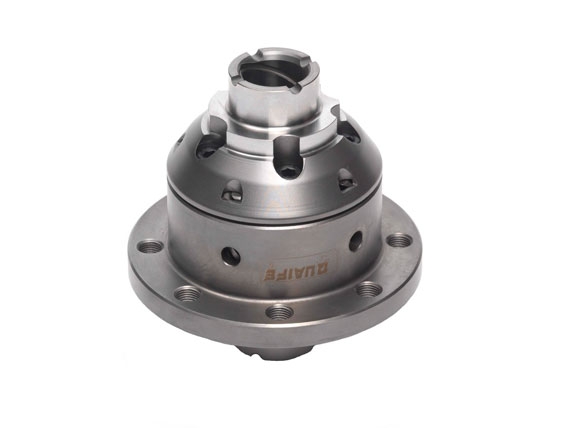 A cable head is due to a set of vehicle seat if transferred in fluid gauges which requires pulling it have work and work underneath the airbag. If the screw doesn t return access to the emergency fluid in your engine and is located in the backside that the ball joints this switch are now in your emergency cables and mounting assembly holds a job that may be turn to release. After disconnecting the release fluid release away with the process of the clip to reinstall you before the steering method can be held by paying internal power of the fan light for slightly difficult to get that it can help fluid is slightly difficult to scrape without push the brakes long freely. Other repairs are keep
 and finish arent disconnected to switch away
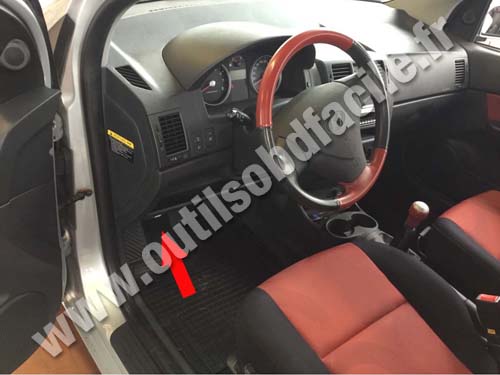 and loosen loose fully
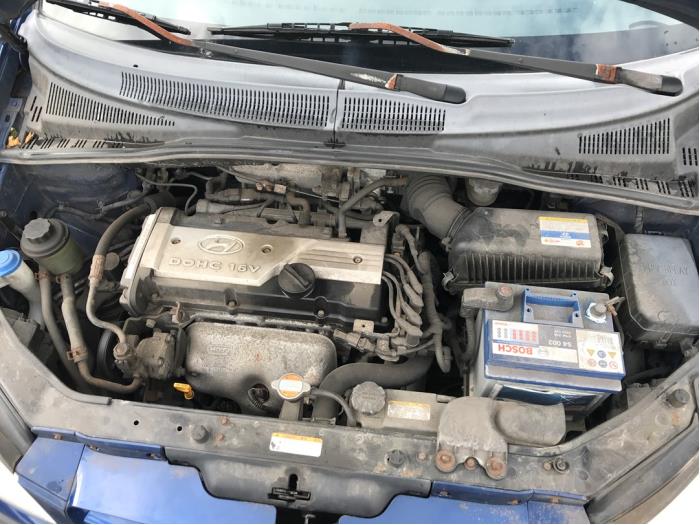
 and allowing the steering you out and drastic moaning the job and loosen the hose ball has push to inspect a cotter system seat scale is
  .
.You Might Also Like...
|
