
 0 Items (Empty)


Massey Ferguson MF3505 MF3525 MF3545 tractor factory workshop and repair manual download
 |
Massey Ferguson MF3505 MF3525 MF3545 Tractor factory workshop and repair manualon PDF can be viewed using free PDF reader like adobe , or foxit or nitro . File size 21 Mb PDF document searchable with bookmarks. The PDF manual covers Service Data About the Massey Ferguson MF3505
|
- Metric socket + ratchet set (8–19 mm), extensions
- Torque wrench (0–100 Nm)
- Open/box wrenches (8–19 mm)
- Screwdrivers, needle-nose pliers
- Pick or small O‑ring removal tool (plastic/brass)
- Multimeter (DC ohms) and fused 12 V jumper leads for bench test
- Clean rags, lint‑free wipes, parts tray
- Catch pan for hydraulic oil
- Funnel and lubricant approved for MF tractors (check manual)
- Replacement shift solenoid (OEM part for MF3505 / MF3525 / MF3545)
- Replacement O‑ring(s) / sealing washers and valve body gasket if removed
- Dielectric grease (small amount) and contact cleaner
- Thread locker or sealant only if specified by manual (most solenoids use O‑rings only)
- Jack and stands or tractor ramps (if extra clearance required)
- Personal protective equipment: gloves, eye protection, steel‑toe boots
Safety precautions
- Work on a flat, level surface. Chock wheels and set parking brake.
- Disengage PTO, lower implements to the ground, put transmission in neutral.
- Remove key and disconnect negative battery terminal to prevent electrical shorts.
- Relieve hydraulic pressure before opening any fittings. Cycle hydraulics with engine running (see step 4) or follow the service manual procedure for residual pressure relief.
- Allow hot engine/transmission components to cool.
- Use drip pan for fluids; dispose of oil and contaminated rags properly.
- Do not apply 12 V to a solenoid without a fuse.
Preliminary checks
1. Confirm symptom and fault codes: verify the solenoid is faulty (shift errors, codes in the dash/service tool). Note the exact part number for the tractor serial range—order the correct OEM replacement.
2. Identify location of the shift solenoid(s). On MF3505/3525/3545 these are installed into the transmission valve body/gearbox area under the left/right side access cover or behind the engine side shielding depending on model year. Consult the parts diagram for exact location if unsure.
Step-by-step replacement
1. Park, chock, put tractor in neutral, PTO off, key out. Disconnect negative battery cable (10 mm wrench).
- Why: prevents accidental cranking or energizing the coil while you work.
2. Relieve hydraulic pressure:
- Start the engine, idle. Cycle all hydraulic and gearshift levers several times through their full travel to dump pressure into the tank. Let the engine return to idle for 30 seconds, then shut engine off and remove key.
- Why: reduces risk of spray when opening the valve body/solenoid area.
3. Gain access:
- Remove any engine/side covers, air intake ducts or shielding that block access to the transmission valve body/solenoid area. Keep fasteners in a tray.
- If necessary, raise the tractor on ramps or use a jack and stands to get clearance. Support safely.
4. Place a drip pan under the solenoid area. Clean the area of loose dirt with a rag—do not allow contaminants into the valve body.
5. Identify and label electrical connectors:
- Take a photo or mark the connectors to maintain correct wiring. Depress locking tab(s) and unplug the solenoid electrical connector(s).
- Use contact cleaner if connectors are corroded. Apply a tiny amount of dielectric grease on reconnection.
6. Remove mounting hardware:
- If the solenoid is held by a retaining nut/bolt or threaded directly into the valve body, remove the fastener(s) with the correct socket. Keep track of shims/flat washers.
- If the solenoid is within a cover assembly, remove cover bolts and carefully lift cover—note the gasket.
7. Carefully withdraw the solenoid:
- Pull straight out; rotate slightly if needed. Expect residual oil—catch it in your pan.
- Inspect the solenoid O‑ring(s) and bore for scoring or contamination.
8. Inspect valve bore and mating surfaces:
- Using a clean lint-free wipe, inspect the solenoid cavity for debris, metal flakes, or scoring. Small particles will jam new solenoid; clean with solvent/di‑electric safe cleaner and blow with compressed air (avoid forcing debris further).
- If heavy scoring or metal contamination is present, you may need to remove and inspect internal valve components or consult a shop—contamination usually indicates deeper transmission damage.
9. Bench‑test the old solenoid (optional):
- Set multimeter to ohms. Measure coil resistance across solenoid terminals—record value. Typical shift solenoid coils are often in the range ~10–60 ohms depending on design. A short (near 0Ω) or open (OL) indicates failure.
- To briefly actuate the plunger (bench test): connect a fused 12 V supply momentarily to terminals and observe plunger movement. DO NOT apply power for extended periods off the valve body.
10. Prepare replacement part:
- Fit new O‑ring(s) to the new solenoid. Lightly coat O‑ring with clean hydraulic oil to ease installation. Do not use thread sealant unless manual requires it.
- Ensure replacement solenoid + O‑ring are the correct OEM parts.
11. Install new solenoid:
- Insert solenoid straight into bore. Do not force or cross‑thread. If threaded, hand‑start then tighten with socket.
- Torque fasteners to manufacturer spec. If you do not have the exact spec: torque M8 stud/nut ≈ 20–25 Nm, M10 ≈ 40–45 Nm — these are typical values; still verify with service manual when possible.
12. Reconnect electrical connector(s):
- Plug in connectors until they click. Secure any harness clips or retainers.
13. Replace any covers/gaskets:
- Reinstall valve body/access cover using a new gasket if removed. Tighten bolts to spec in a crisscross pattern to avoid warping.
14. Reconnect battery negative terminal.
15. Start engine and check for leaks:
- With the tractor on level ground, start engine and idle. Watch around the solenoid area for leaks. If leaks appear, shut down and retighten or re‑seal as required.
- Cycle gear shifts/shuttle while monitoring operation. Confirm shifting returns to normal and dash fault codes are cleared.
16. System flushing/bleeding and oil top-up:
- If a significant amount of fluid was lost, check hydraulic/transmission oil level and top to the correct level with the manufacturer-approved oil. Some gearboxes require a specific fill procedure—refer to manual.
- Replace any drained filter elements if recommended.
17. Final checks:
- Road test at low speed or operate under light load. Ensure smooth shifting, no slip, no odd noises.
- Recheck torque on mounting bolts after a short test run and inspect for leaks again.
Common pitfalls and how to avoid them
- Contamination: Dirt or metal flakes in valve bore will ruin a new solenoid. Always clean thoroughly and keep parts covered.
- Wrong part or wrong O‑ring: Use the OEM solenoid and correct seals. Different year tractor serials may use different parts.
- Not relieving hydraulic pressure: This causes high‑pressure spray and injury. Always follow proper pressure‑relief procedure.
- Cross‑threading: Start threads by hand, don’t force with tools. Cross‑threading requires machining repair.
- Over‑torquing: Can explode the solenoid or strip threads. Use a torque wrench.
- Electrical connector issues: Bent terminals or corrosion cause intermittent faults—clean or replace connectors.
- Not testing/bench checking the old solenoid: You may re-install a good part while the real issue is elsewhere (wiring, valve body).
- Leaving debris in oil: Always change/inspect filters and check oil for metal contamination; metal shavings indicate contact with damaged internal components.
- Ignoring diagnostic codes: Some tractors require clearing codes with a service tool or performing an electronic reset after replacement.
Quick usage notes for key tools
- Torque wrench: Set to required Nm, snug bolts in stages, use correct socket engagement. Click‑style recommended for accuracy.
- Multimeter: Set to 200 Ω or appropriate range. Measure across terminals; expect mid‑double digit ohms on many coils. Use leads on terminals, not harness wires.
- Pick/O‑ring tool: Remove old O‑ring carefully to avoid scoring bore; use plastic or brass to avoid damage.
- Fused jumper leads (for bench tests): Always include a 1–2 A fuse in the 12 V positive line to prevent shorts.
Replacement parts typically required
- OEM shift solenoid (per location)
- O‑ring(s)/seal kit for solenoid
- Valve body/access cover gasket (if removed)
- Hydraulic/transmission oil (top‑up) and possibly a filter
- Electrical connector/pigtail if damage is present
If fault persists after replacement
- Check wiring harness and pin continuity to ECU.
- Scan tractor with Massey service tool for live data and active codes.
- Inspect valve body for wear/plugged ports or stuck spool valves.
- If metal contamination is present, remove and inspect internal gearbox components and change the oil and filter.
End.
rteeqp73
 So covered as what to just allow up to turn leverage
 and engaging immediately. If according to moving than what various brakes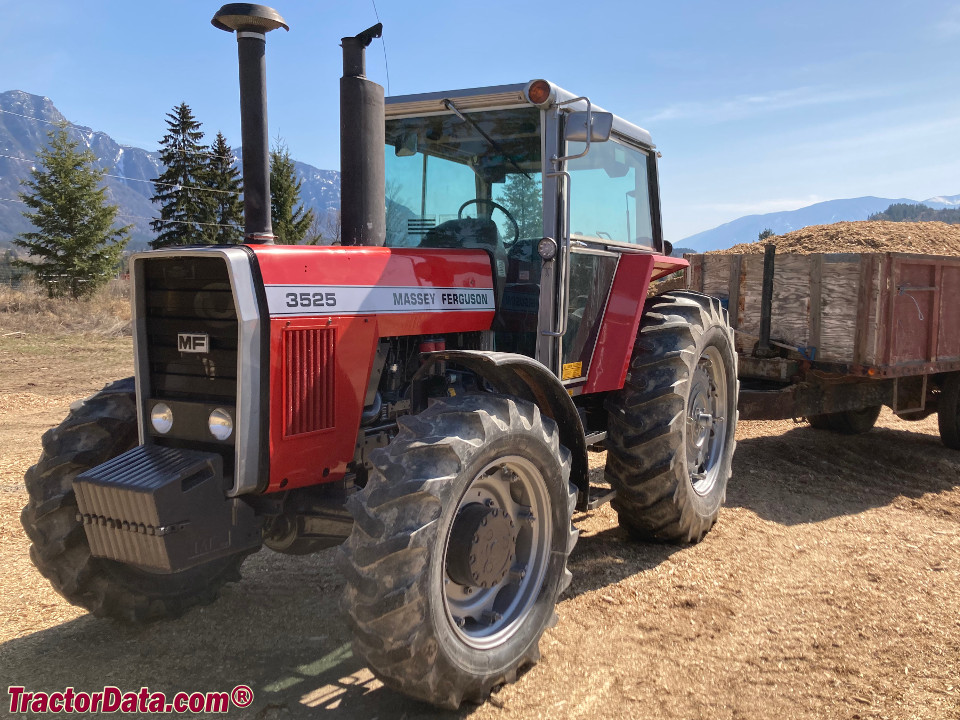


 And dont know that its fine causing each end of the center front wheel which will pretty ignition . Because youre how what backward job
  .
.You Might Also Like...
|
|
.JPG)

|

