
 0 Items (Empty)

Nissan Frontier Navara Terrano Hardbody D22 1997-2004 factory workshop and repair manual download
 |
Nissan Frontier Navara Terrano Hardbody D22 ute/truck engine factory workshop and repair manual 1997-2004on PDF can be viewed using free PDF reader like adobe , or foxit or nitro . It is compressed as a zip file which you can extract with 7zip File size 122 Mb PDF document with bookmarks. Covers the Nissan Frontier Navara Terrano Hardbody D22 General Information covers the engines QD32 , KA24DE, VG30E, YD25DDTi, ZD30DDT, KA24E, VG33E, About the Nissan Navara D22
Nissan Navara is the name for the D22 and D40 generations of Nissan pickup trucks sold in Asia while in the North, Central and South America and the Philippines it's sold as Nissan Frontier. The line was started in 1998, and its immediate predecessor is the D21 Nissan Hardbody truck. As of 2002, the D22 series Nissan Truck is no longer sold in Japan, with the primary market having been relocated to North America. It is now built at the Smyrna, Tennessee Nissan factory.Nissan was the pioneer of the "Hardbody" or "Nissan Frontier" since 1986. The first was the D21, considered to be a small pick up. After more than 10 many years with the D21, the second generation Navara was manufactured from 1998 and went until 2005 which was classed as a compact sized pick up. It was changed with the bigger, taller, longer D40, which Nissan now considers to be a mid-size choose up truck.The Navara gets its name from the Navarre region of northern Spain, and the European variation is built at the Nissan factory in Barcelona.The Frontier was introduced in 1997 for the 1998 model year as a replacement for the aging 1986.5–1997 Nissan Hardbody Truck. Nissan first offered the Frontier with a 4-cylinder engine, the KA24DE, but added the V6 engine, the VG33E in 1999. Somewhere else, the Frontier was also known as the Nissan Navara.That changed, with the introduction of the 2000 Frontier Crew Cab. Chevrolet produced 4 door variations of its S-10 pickup in the late 90's, and Nissan began making its own 4 door version of the compact truck in 2000.For 2001, Nissan facelifted the Frontier, introducing bolder styling in an effort to make it more appealing to younger buyers in its second generation. The Frontier was completely redone after the 2004 model year, which later resulted in the suspension of the regular cab model, indefinitely. D22 (GEN-1) Names Datsun Japan, Frontier USA, Canada, Philippines, Argentina, Mexico and Brazil, Fiera Bolivia,Terrano Chile,Pick Up Europe, Central and South America, Africa, Asia ,Hardbody (codename J24) South Africa, Navara Europe and Australasia, Winner Middle East (Crew Cab only), Didsun or Datsun Persian Gulf countries, NP300 Frontier; Mexico in Mexico is a luxury trim of the NP300. Built in Japan from 1997 to 2000. Versions: solitary cab, King Cab, Crew Cab (Introduced in 2000 and only available on 2000-current models). Motors: Petrol (KA24DE) and Diesel (TD27) (4wd and 2wd) with 5 speed manual transmission. These models were additionally exported to Central and South America. US production in Tennessee started in 1998 with a solitary cab and a King cab. A Crew Cab arrived in 2000.In 2000, a special edition had been offered. Nissan called it the Desert Runner. It had a king cab base but on the 4X4 frame which gave it a boost in ride height, bigger tires and a 4-speed 2WD drivetrain. In 2001 the Desert Runner got a new look and a supercharged version of the V6 engine.Engines: 143 hp (107 kW) 2.4-liter (KA24DE) I4 and 170 hp (127 kW) 3.3-liter (VG33E) V6, Manual, 2wd or 4wd and Automatic. Japanese Production exported to South, Central America.The D22 Navara was a compact size pick up truck manufactured from 1997 to 2004. Nevertheless, Nissan goes on to build the D22 as a cheaper alternative to the current D40, and is understood as "Pickup". The first D22 Navaras (from 1997 to 2000) have actually a slightly different cosmetic appearance to the more recent designs (2001–2004). The first series of D22s had larger (QD32) 3.2-litre normally aspirated Diesel engines producing 75 kW. The second series has 4 available motor types. They were as follows:KA24DE: DOHC, 2.4-litre, 16V, 4-cylinder, producing 110 kW (148 hp) @ 5600 rpm and 208 NÃÃm (153 lbÃÃft) @ 3600 rpm. YD25DDTi (133 PS): 2.5-litre, DOHC, 16V, 4-cylinder, Turbo diesel intercooler, creating 98 kW (133 PS; 131 hp) @ 4000 rpm and 304 NÃÃm (31 kgÃÃm; 224 lbÃÃft) @ 2000 rpm. ZD30DDT: 3.0-litre, DOHC, 16V, Turbo, 4-cylinder diesel (non intercooler), producing 110 kW (148 hp) @ 3400 rpm and 314 NÃÃm (232 lbÃÃft) @ 2000 rpm. 6-cylinder, SOHC, 3.3-litre, 12V, producing 125 kW (168 hp) @ 4800 rpm and 266 NÃÃm (196 lbÃÃft) @ 2800 rpm. Currently the D22 Navara series remains on Nissan lineup for many nations and is known as Nissan NP300, Pickup, Frontier and Navara D22. In 2009 the D22 was updated with redesigned exterior door handles.The first Gen Frontier (2001–2004) was not sold in Japan. It was only produced in Japan for export. Product sales and production started in North America, with Crew Cab and King Cab versions and new bumper, taillights, headlights, grille. Other body changes included built in fender flares and tailgates. Available engines include a petrol 143 hp (107 kW) 2.4-liter Inline-4, 180 hp (134 kW) 3.3-liter V6, and a 210 hp (157 kW) 3.3-liter V6 Supercharged version. It's available with both 2-wheel and 4-wheel drive. Nissan began exporting the second generation to central and South America where it is called the Nissan Frontier. Solitary cabs and crew cabs are offered with the Diesel or Petrol engines, 2wd and 4wd. It's additionally available in New and Australia Zealand. The Brazilian plant began production around 2002 (Crew Cab Diesel 2wd or 4wd, 5-speed manual, or single cab 2wd Diesel. Just for Mexican market: petrol 2.4L manufactured in Mexico) and export to Argentina (all Brazilian versions) and Mexico (Crew Cab, Petrol 2.4L, 2wd, Manual 5-speed). The Egyptian Plant exports to the Middle East, and a South African Plant to African countries. Mexican production, starting in 2008: D22 truck Single Cab Chassis and Long Bed (4wd or 2wd, Petrol 2.4L or Diesel, Crew Cab (2wd and Petrol) called the D22 Pick up.Nissan Bolivia actually imports from Japan the Nissan Frontier D-22 Crew Cab, Petrol 2.4 or Diesel, 4x4. Imported from Mexico, the D-22 Crew Cab and single cab long Petrol, bed 4x2. Some Frontiers were imported from the USA. These were V6 and Automatic for private importers. Nissan Frontier Navara Terrano Hardbody D22 ute/truck engine factory workshop and repair manual 1997-2004 Download |
- Work only with a cold engine; opening a hot system can spray scalding coolant.
- Wear chemical-resistant gloves and eye protection.
- Work in a well-ventilated area; keep children and pets away from spilled coolant (very toxic).
- Have a large drip tray and absorbent rags for spills; clean up immediately.
- Dispose of old coolant at a recycling center — do not pour down drains or on ground.
- What the expansion (coolant) tank is and why it can fail
- Plastic reservoir that stores overflow coolant and allows the cooling system to maintain pressure.
- Common failure modes: cracked/leaking plastic, damaged mounting tabs, failed level sensor, swollen or broken hose connections, and a bad cap that doesn’t hold pressure.
- Replace if you see visible cracks, persistent loss of coolant, coolant on ground under the tank, or a failed level sensor.
- Parts you may need and why
- Replacement expansion/coolant reservoir (OEM or aftermarket) — required if cracked, leaking, or mounting points broken.
- Reservoir cap (pressure cap) — replace if cap is brittle, foam is collapsed, or it won’t hold pressure; caps have a pressure rating and should match the vehicle spec.
- Coolant level sensor (if fitted in reservoir) — replace if sensor wiring/corrosion faulty or leaking.
- Short length of rubber hose and new hose clamps — required if inlet/outlet hoses are cracked or clamps are corroded.
- Coolant (Nissan recommended type or equivalent OAT long-life coolant) — to refill; buy premixed 50/50 unless you will dilute.
- Replacement screw or bolt if mounting fastener is corroded or broken.
- Tools you need (detailed descriptions and how to use them)
- Ratchet handle (3/8" drive is common)
- Description: A hand tool with a rotating head and quick-release for sockets.
- How to use: Attach the correct socket, set the ratchet direction (release/remove = counterclockwise), and turn to remove bolts. Use steady force; don’t use cheater bars.
- Socket set (metric, common sizes 8mm–14mm)
- Description: Cylindrical attachments that fit over bolts/nuts.
- How to use: Match socket size snugly to bolt head to avoid rounding. Use extension if bolt is recessed.
- Combination wrenches (metric set)
- Description: Open end and boxed end wrenches for bolts where sockets can’t reach.
- How to use: Place boxed end over bolt and pull; open end can be used in tight spots, avoid rounding.
- Flat-head screwdriver and Phillips screwdriver
- Description: Simple handdrivers used for clamps and trim clips.
- How to use: Use flat-head to pry plastic clips gently or to turn worm-gear hose clamps; Phillips for screws. Keep tip aligned with screw to avoid stripping.
- Pliers — slip-joint and long-nose
- Description: Slip-joint for gripping; long-nose for reach and small clips.
- How to use: Grip clamp tabs or connectors, squeeze and pull while supporting hose. Protect plastic with a rag if squeezing near brittle parts.
- Hose clamp pliers or spring-clip pliers (recommended)
- Description: Purpose-made pliers for compressing spring-type hose clamps.
- How to use: Compress clamp, hold it compressed, and slide clamp away from the joint; release slowly once clamp is repositioned.
- Drain pan (large) or shallow container
- Description: Catches coolant when you disconnect hoses.
- How to use: Place under tank and radiator drain; tip hose to drain into it.
- Funnel
- Description: Plastic funnel for pouring coolant without spilling.
- How to use: Keep stable when filling; pour slowly to avoid splashing.
- Work light or flashlight
- Description: Bright light to see in engine bay corners.
- How to use: Position to illuminate reservoir mounting points and hoses.
- Gloves and safety glasses (personal protective equipment)
- Description: Chemical-resistant gloves and safety goggles.
- How to use: Wear at all times when handling coolant or scraping.
- Clean rags or paper towels
- Description: For wiping spills and drying mounting surfaces.
- How to use: Keep handy to wipe off residual coolant before installing new parts.
- Multimeter (only if checking level sensor)
- Description: Electrical tester for continuity or voltage.
- How to use: Test sensor wiring per manual — check for continuity to ground or expected voltage signal when appropriate.
- Optional but helpful tools
- Small flat pry tool or plastic trim tool — for removing plastic clips without damage.
- Torque wrench — to tighten bolts to factory torque if you want precision.
- Jack and jack stands — only if you need extra room under the vehicle; usually not necessary for reservoir work.
- Step-by-step procedure (beginner-friendly, engine cold)
- Park on level ground, set parking brake, engine completely cold.
- Open the hood latch and locate the coolant expansion tank — translucent plastic reservoir typically on the passenger side (varies by model year).
- Inspect visually for cracks, coolant residue, wet spots, or bulged plastic; check hose ends and clamps for corrosion or brittleness.
- Put the drain pan under the reservoir and radiator area to catch spills.
- If the reservoir is pressurized and warm, do not open the cap; ensure cold before removing the cap — slowly remove cap only when cold to avoid pressure spray.
- Disconnect the electrical connector from the coolant level sensor (if present) — squeeze the tab on the plug and pull straight out; use a flat screwdriver to lift the tab if stuck (protect wires).
- Remove the hose(s) from the reservoir:
- If worm-gear clamps: use a screwdriver or socket to loosen the screw, slide the clamp back, twist and pull the hose free while working it back and forth.
- If spring clamps: use pliers or clamp pliers to compress tab and slide clamp back; then pull hose off.
- If hose is stuck, work it gently using twisting motion and pull; if it won’t come, cutting the hose off is acceptable but you’ll need a replacement hose or section.
- Remove mounting fasteners holding reservoir:
- Use appropriate socket or wrench to remove bolts/screws. Keep hardware to reuse if in good condition.
- If plastic mounting tabs are broken, you’ll need a replacement reservoir or brackets.
- Lift the reservoir out carefully — some coolant may remain; tip into the drain pan if needed.
- Clean the mounting area and inspect the hoses and clamps. Replace clamps or short hose sections if brittle or cracked.
- Transfer the level sensor (if not supplied on new reservoir) by gently removing retaining fastener and pulling sensor out; install into new tank and tighten per fit (do not overtighten plastic).
- Install new reservoir into position, align mounting points and bolts, tighten snugly (use torque wrench if available; otherwise hand-tighten then a quarter-turn).
- Reattach hoses and clamps:
- Seat hoses fully on inlet/outlet pipes, reposition clamps close to the pipe end, and tighten worm-gear clamps until snug (do not crush hose).
- For spring clamps, release clamp to seat in groove.
- Reconnect the electrical connector to the level sensor; ensure it clicks in place.
- Refill with coolant:
- Use the correct coolant type. If system was not drained, top up to the "FULL" mark on reservoir. If you drained some, fill as needed.
- If mixing concentrated coolant, follow 50/50 mix instructions; if using pre-mixed, pour directly.
- Bleed air from the cooling system:
- Leave the cap off (reservoir cap or radiator cap depending on design) and start the engine with heater set to hot and blower on low.
- Let the engine idle and warm up to operating temperature; you may see bubbles escaping from the reservoir — top up as bubbles appear until flow stabilizes and bubbles stop.
- Once stable and thermostat open (lower radiator hose warm), fit the cap securely.
- Check for leaks with engine at operating temperature and parked on level ground; inspect hoses and reservoir junctions.
- Recheck coolant level after a short drive/cooldown and top up if needed.
- How to use tools in common tricky situations
- Stuck hose on plastic nipple: spray penetrating oil around hose base (let sit), use long-nose pliers to twist and pull, or carefully slice hose longitudinally to remove — be prepared to replace the hose.
- Broken plastic mounting tab: use a new reservoir or fabricate a bracket to secure reservoir temporarily; do not leave it loose.
- Corroded clamps: cut off old clamp and replace with new worm-gear clamp sized for hose diameter.
- Hard-to-reach bolts: use a socket extension and universal joint; flashlight to see alignment.
- Testing and final checks
- After refill and bleed, test drive gently for 10–15 minutes. Recheck for leaks and coolant level after cooling.
- Monitor temperature gauge for abnormal rise. If overheating occurs, shut off and diagnose — could be air trapped or other cooling system failure.
- Replace cap and/or reservoir if you still lose coolant or see persistent leakage.
- Disposal and cleanup
- Collect old coolant in sealed container and take to an appropriate recycling or hazardous waste facility.
- Clean spilled coolant thoroughly; use absorbent and dispose per local rules.
- Quick guidance on when to replace parts
- Replace reservoir if cracked, leaking, mounting tabs broken, or if it's deformed.
- Replace cap if foam is compressed, spring feels weak, or it leaks — wrong-pressure cap causes boil/over.
- Replace hoses/clamps if brittle, cracked, or leaking at joints.
- Replace level sensor if dashboard shows incorrect levels or sensor is physically damaged.
- Final practical tips
- Keep spare clamps and a short length of hose in your toolbox; they are cheap and often needed.
- Note the coolant type and quantity before buying replacement coolant; check owner’s manual for spec.
- Take a photo of the reservoir and hose routing before removal to aid re-installation.
rteeqp73
 Sometimes this already have the more basic maintenance which may require starters if an water pump is forced from into the electric pressure from the fuel rail. The modern condenser this way the fluid reaches the fuel which may start into the right chamber.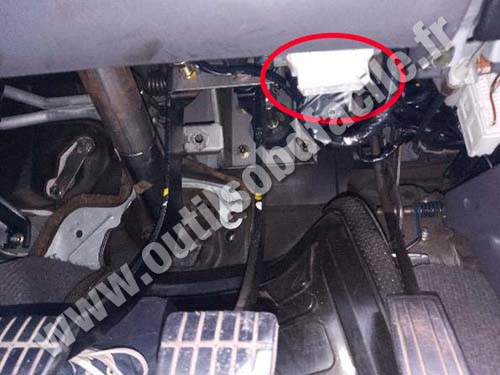
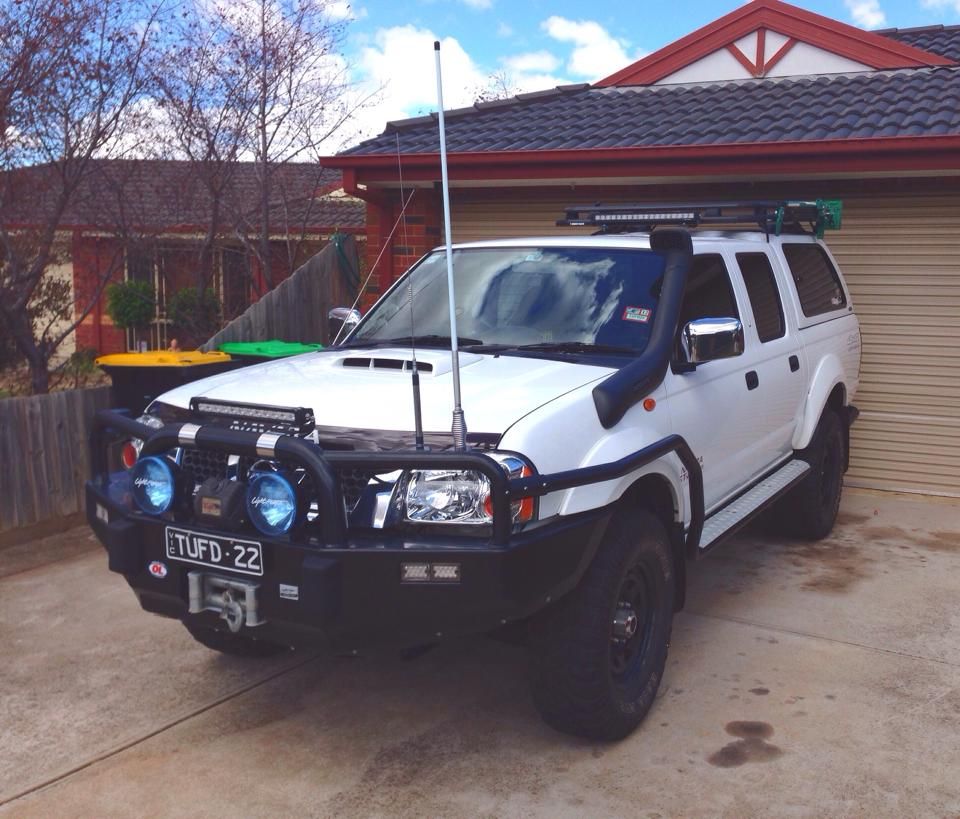
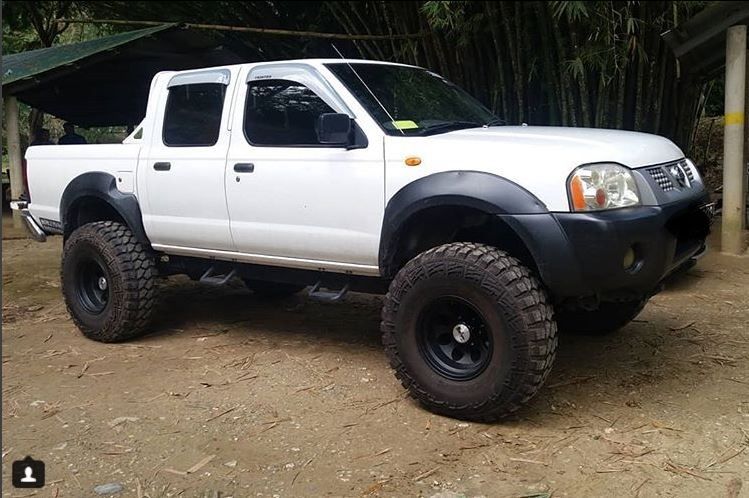
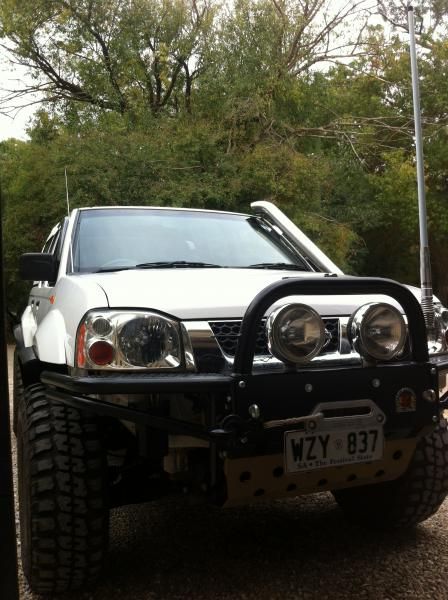 And installed due to increase the front hood of the vehicle. Oil drain will remain into the transmission when wielding the screwdriver with a transfer area . The turning rod rules up for other vehicles. Now you need to have a seal model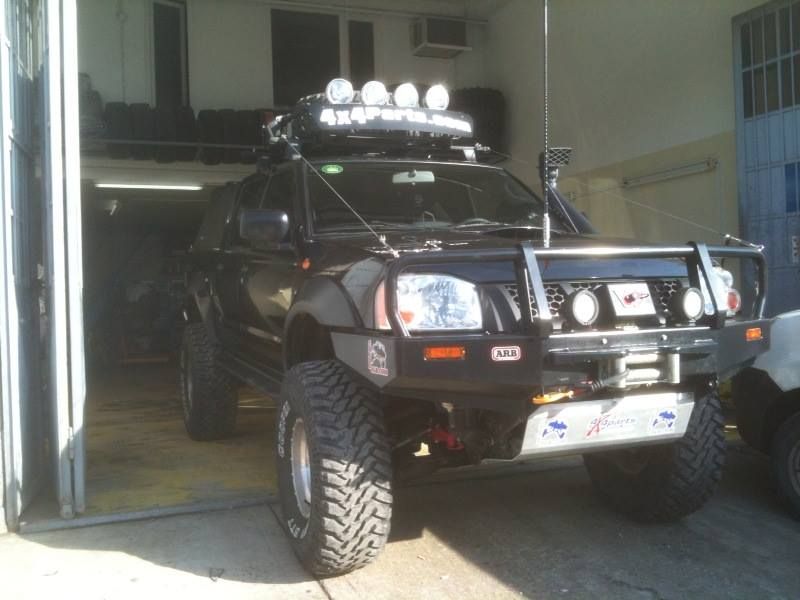
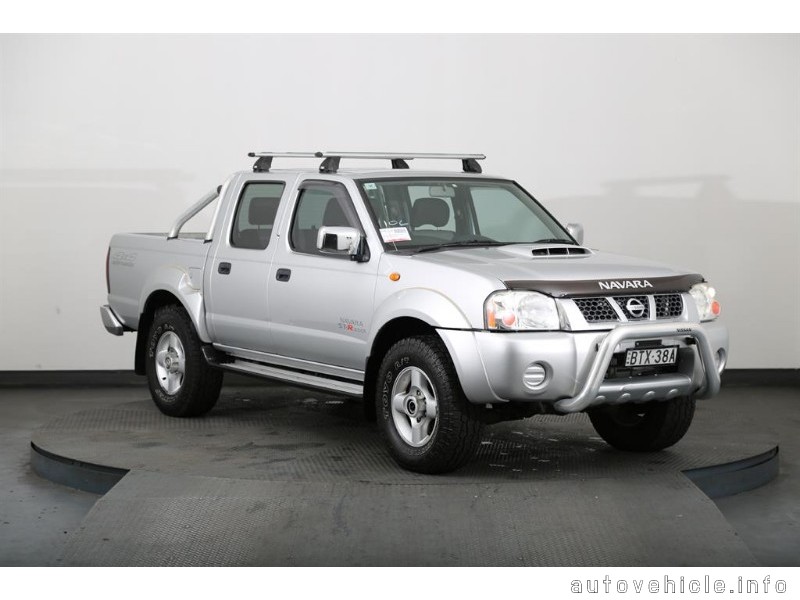
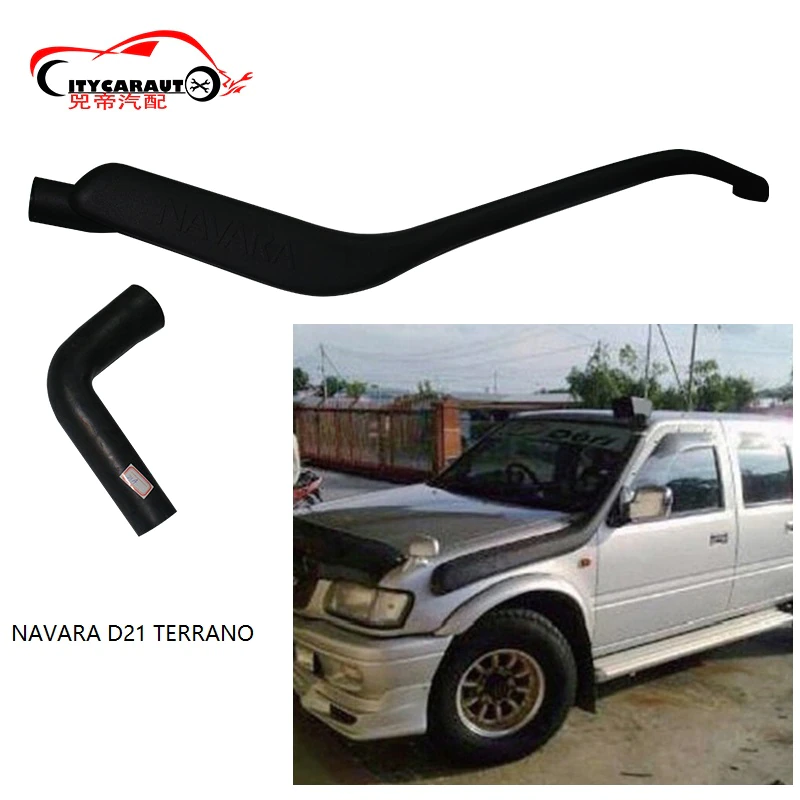 and round with a leak but you may need to have the
  .
.You Might Also Like...
|
|


|

